

Should You Visit Comuna 13 in Medellín, Colombia?
From One of the World's Most Dangerous Neighborhoods to a Must-Visit Destination
I'm standing in the middle of a neighborhood that, not long ago, was considered one of the most dangerous places on earth. The walls around me are covered in colorful, jaw-dropping street art. A female rapper is doing her thing nearby. Tourists are taking photos. Kids are going down the playground slide. And I'm about to try my hand at spray paint for the first time.
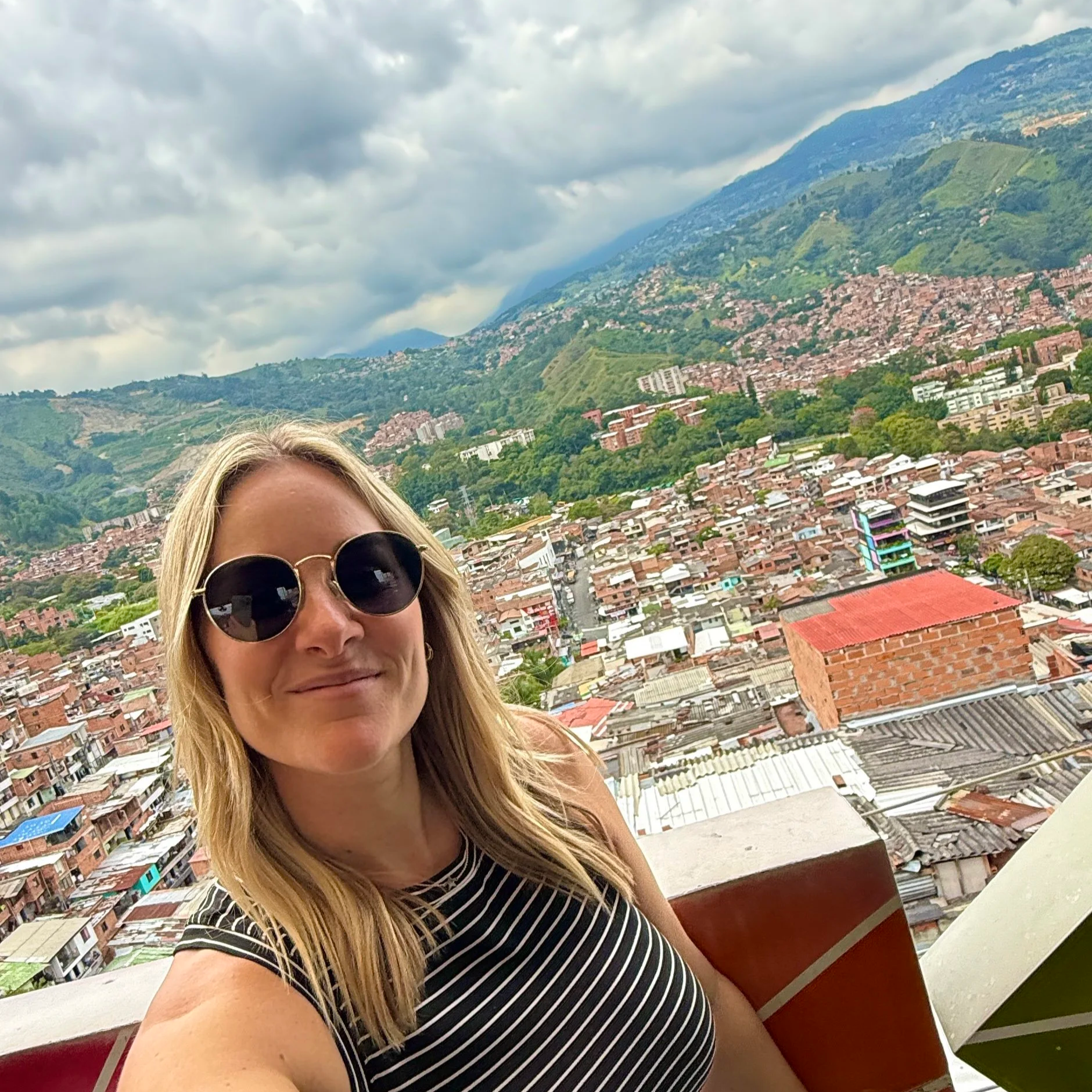
Comuna 13 is a lot of things at once, and none of them are what you might expect.
A History Worth Understanding
To appreciate where Comuna 13 is today, you have to understand where it came from, and it's not a light story.
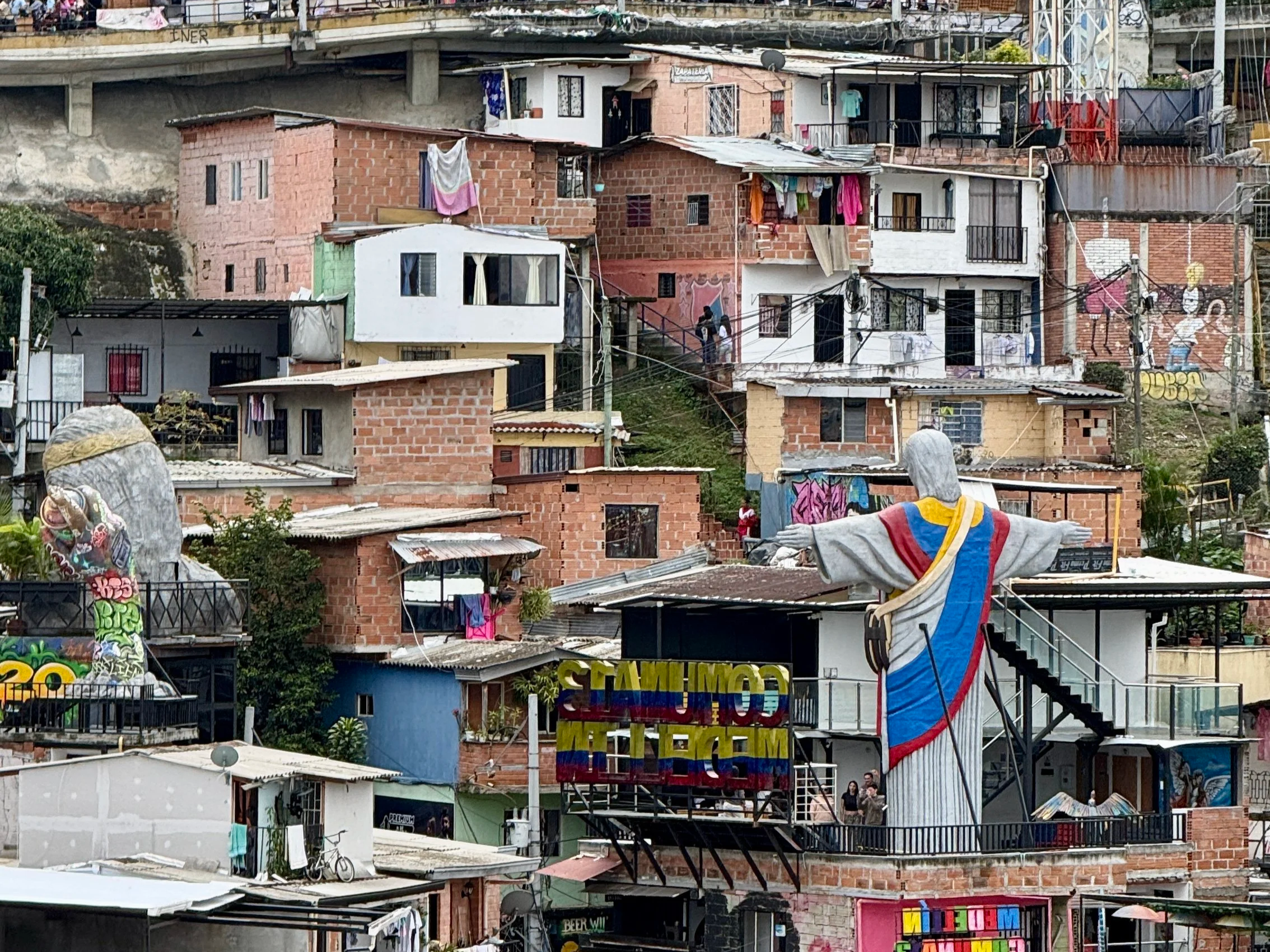
Built into the steep hillsides on the western edge of Medellín, Comuna 13 was one of the city's most densely populated working-class neighborhoods. Throughout the 1980s and 1990s, it became a battleground. Multiple armed groups fought for control of the area simultaneously: the FARC and ELN guerrillas, right-wing paramilitary groups, and drug trafficking organizations all operated here, often violently and often at the expense of the civilians caught in the middle. Residents lived under curfews enforced by armed groups, not the government. Leaving the neighborhood, or even moving between certain streets, could be life-threatening depending on which faction controlled which block on any given day.
In October 2002, the Colombian government launched Operation Orion, a large-scale military intervention in Comuna 13 involving the army, police, and air support. The stated goal was to reclaim the neighborhood from guerrilla groups. The operation succeeded in that narrow sense, but it came at an enormous human cost. Civilians were killed, many residents were displaced, and accusations of human rights violations and forced disappearances have followed the operation ever since. For many families in Comuna 13, the wounds from that period have never fully healed.
What happened next, though, is one of the more remarkable urban transformations in recent history.
How the Neighborhood Rebuilt Itself
In the years following Operation Orion, the community of Comuna 13 began reclaiming its identity through art. Young people who had grown up in the middle of the violence turned to hip hop, graffiti, and breakdancing as outlets, and those art forms became the foundation of something much larger. Murals started appearing on the hillside walls. Outdoor escalators were installed in 2011, connecting the upper neighborhoods to the city below and fundamentally changing how residents moved through their own community. Slowly, the neighborhood that the rest of Medellín had written off started drawing visitors.
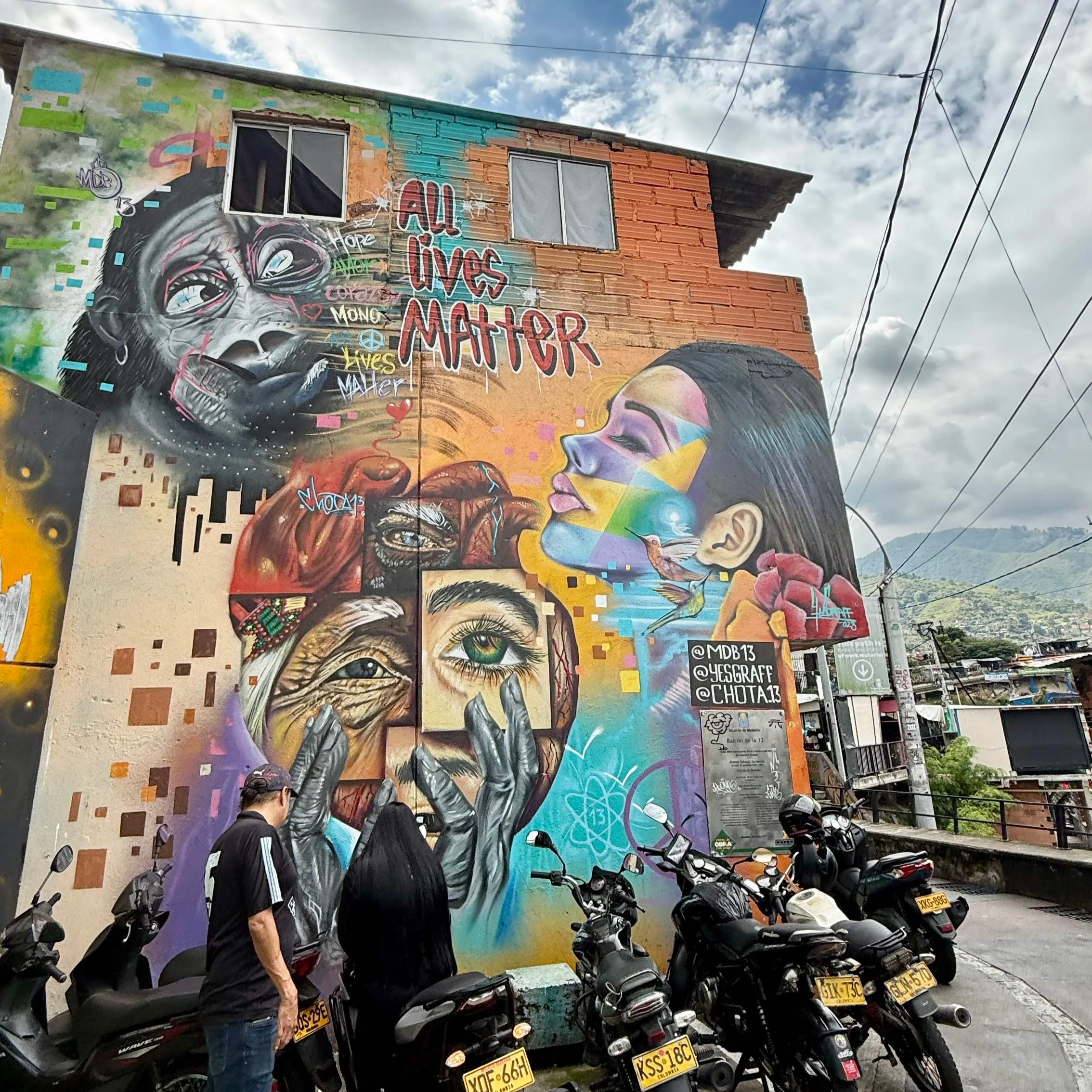
Today, the street art in Comuna 13 is world-class. The murals aren't decorative backdrops; they're documentation. They tell the history of the neighborhood in color and image, depicting the violence, the resilience, the grief, and the hope of the people who lived through it. Walking through the streets here feels like reading a visual archive.
What There Is to Do
Visiting Comuna 13 is a full half-day at minimum, and there's a lot to take in.
The street art is the obvious draw, and it truly earns the attention. The murals get more intricate and more powerful the further up the hillside you go. The outdoor escalators are worth riding both for the views and for the context: looking out over Medellín from that elevation, understanding that this hillside was once pretty cut off from the city below, adds a lot.
Beyond the art, the neighborhood has an amazing hip hop scene. Performances happen regularly in the outdoor spaces, and the energy is electric when they do. Local vendors sell food, handmade goods, and art along the main corridors. It's busy, it's colorful, and absolutely worth wandering.
The neighborhood is now considered safe to visit during the day and into the evening, though like anywhere, basic common sense applies. Go with a tour if it's your first time, stick to the main areas, and stay aware of your surroundings.
Casa Kolacho: Why This Is the Tour to Book
Not all tours of Comuna 13 are created equal, and Casa Kolacho is the one worth booking.
Casa Kolacho was founded by local hip hop artists who grew up in the neighborhood and lived through its most difficult years. The organization has been central to the cultural transformation of Comuna 13, using art, music, and community programming as tools for healing and rebuilding. When you book a tour with them, your guide isn't someone who read about this place in a book. They were here for it.
My guide, José, was outstanding. He walked us through the full arc of the neighborhood's history without softening any of it. He talked about Operation Orion, about what it was like to grow up during the years of violence, about the role art played in giving young people something to hold onto. He answered all our questions, including the uncomfortable ones. There was no glossing over the parts that are still heavy and unresolved.
He also walked us through the basics of graffiti art before letting us try it ourselves on a designated wall. It sounds like a fun little activity, and it is, but it's also way harder than it looks! Holding a can and trying to produce even a simple clean line gives you an immediate appreciation for what these artists are doing on a massive scale across every surface of the neighborhood. My attempt was, let’s say, a work in progress.
Booking with Casa Kolacho also means your money goes directly back into the community and the organization's ongoing programs. That matters here more than almost anywhere else I've visited.

Should You Go?
Yes, without question. But go with intention.
Comuna 13's history is not ancient. The people who lived through it are still there, still rebuilding, still carrying it. The neighborhood has transformed in a way that is worth celebrating, but it isn't a theme park, and the story isn't finished. Go curious, go respectful, and let the place teach you something.
It will.
