

What Is a Digital Nomad, Really? Your Questions Answered
Someone once commented on one of my posts: "So you travel the world via the internet? Do you even go anywhere outside the USA?"
Yes. Yes I do. 60+ countries and counting, actually.
If you've ever wondered what a digital nomad actually is, or what this lifestyle really looks like day to day, you're in the right place. I'm Megan, a full-time digital nomad and international traveler, and I'm going to answer every question I get asked about this life. No fluff, no highlight reel — just real talk from someone actually living it.
What Is a Digital Nomad?
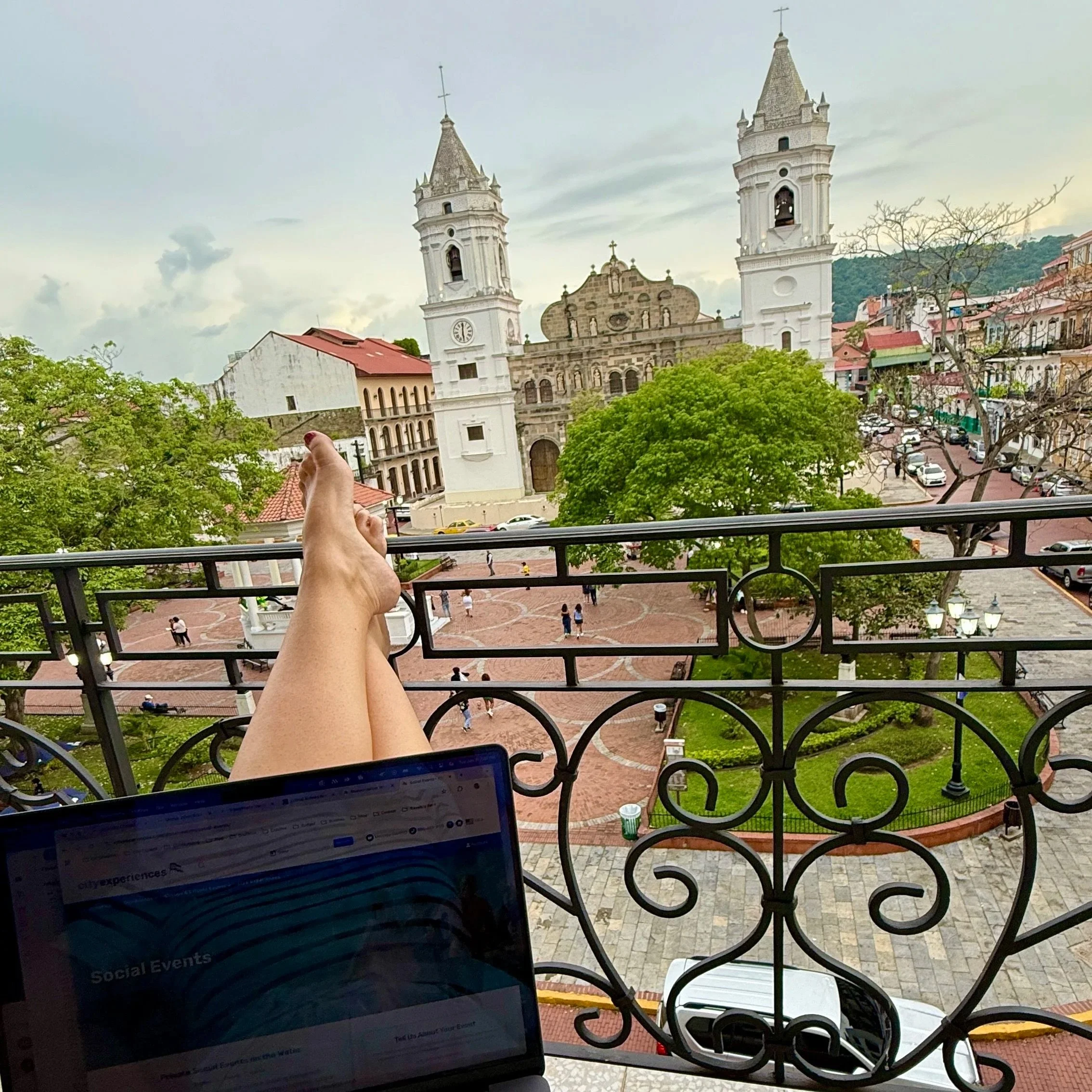
A digital nomad is someone who works remotely while traveling, often internationally, and often without a fixed home base. The "nomad" part means you're moving, not just working from your couch at home.
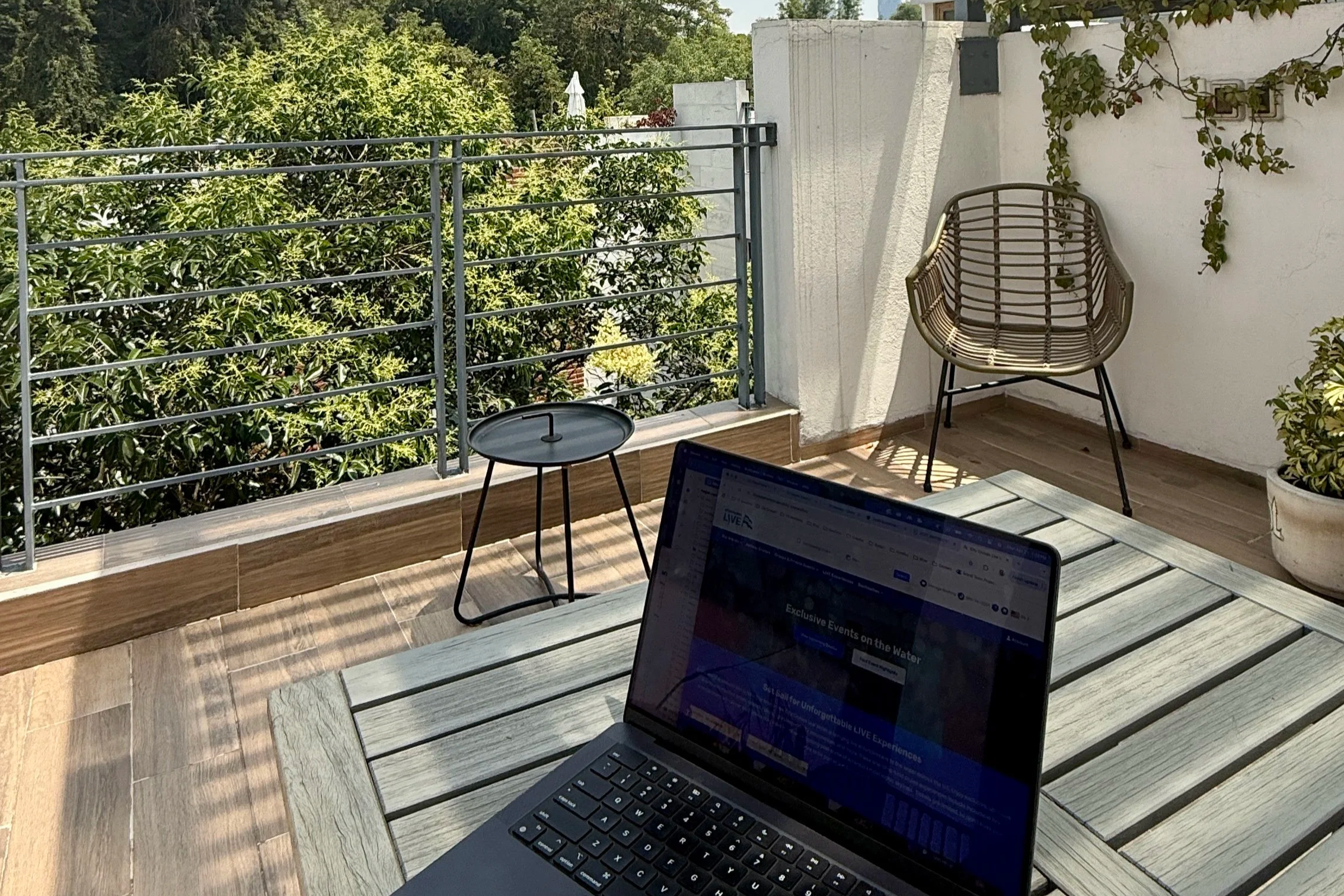
For me, that means I travel internationally the majority of the year. I don't have an apartment in the US anymore. When I visit home a few times a year, I stay with family or friends. Everything I need fits in my bags (though I wish I could pack more), and my office is wherever I have a laptop and a decent wifi connection, which could be a café in Mexico City, a co-living in Cape Town, or a hotel lobby in Florence.
It's a lifestyle that's growing fast. More people are wanting remote work than ever before, and more people are realizing that "remote" doesn't have to mean "from home."
Who Am I?
New here? I'm Megan. I've traveled to 60+ countries across 6 continents, and I share the honest, practical travel content that actually helps you plan better trips, travel smarter, and maybe even rethink what your life could look like.
The Most Common Digital Nomad Questions Answered
Here are the questions I get asked constantly, answered honestly.
"Where do you actually live?"
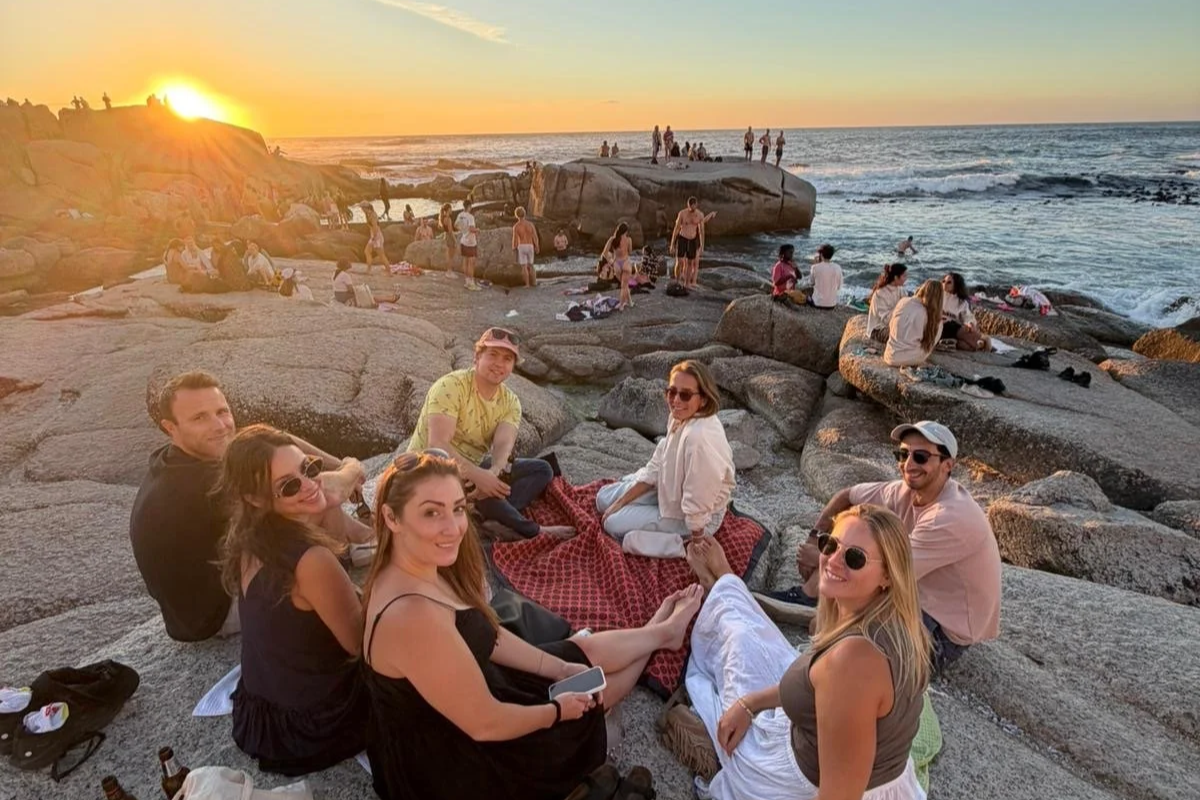
On the road, my favorite option is a co-living, which is a shared house or apartment specifically designed for digital nomads and remote workers. Think your own private room, shared common spaces, fast wifi, and a built-in community of people who actually get this lifestyle. It's one of the best parts of digital nomad life.
If co-livings aren't available in a destination, I'll look at Airbnbs, hotels, or housesitting, depending on where I am and how long I'll be staying. Every destination is different, and flexibility is the whole point.
"Don't you get lonely?"
Sometimes, yes. And I think it's important to be honest about that. Being far from home and the people you love has its hard moments.
But I've also met some amazing friends while traveling (we even plan reunion trips). Co-livings are one of the best ways to build community on the road since you're surrounded by people who are living the same kind of life, which creates an instant connection. I've also connected with other solo travelers through apps like NomadHer, and met people through group tours, cooking classes, and just putting myself out there.
The loneliness can be real, but so can the connection. Both things are true, and knowing that going in makes a big difference.
"Do you have a job?"
Great question, and the answer is: yes, but it’s complicated. When I first started traveling full-time, I had a corporate remote job. That's actually what made the whole thing possible to begin with.
Now, I'm building my own income streams through content creation, brand partnerships, and digital products so I'm not dependent on a company that could one day decide remote work isn't an option anymore. (That's a real thing that happens, and I'd rather be in control of that decision.)
The digital nomad lifestyle doesn't require you to be an entrepreneur. Plenty of people do it with a traditional remote job. But it does require that your work is location-independent, meaning you can do it from anywhere with a laptop and internet connection.
"Is it expensive?"
It can be, or it can actually be cheaper than your current life. It completely depends on your travel style and the location. Many popular digital nomad destinations like Southeast Asia, parts of Latin America, and Eastern Europe have significantly lower costs of living than major US cities.
The key is being intentional. Knowing your budget, choosing destinations wisely, and understanding that slow travel (staying in one place for a few weeks rather than moving every few days) is almost always more affordable than constantly hopping around.
"Will you ever settle down again?"
Probably, eventually, but I genuinely don't know where or when. For now, I'm not looking for the exit. I'm enjoying the adventure and following it to see where it leads.
The beauty of this lifestyle is that it's not permanent by definition. You can do it for six months, a year, five years, or longer. You can come home whenever you're ready. It's not a one-way door.
Is the Digital Nomad Lifestyle Right for You?
Honestly? It's not for everyone, and that's okay. It takes real flexibility, a certain comfort with uncertainty, and the ability to be intentional about building community on the road.
But if you've been curious about it, I genuinely believe the biggest thing standing between most people and this lifestyle isn't bravery or money. It's information. Knowing what it actually looks like, what to expect, and how to set yourself up makes all the difference.
That's exactly why I created Traveling Berri, to share what this life really looks like, so you can decide if it's something you want to explore.
Want to Know More About Digital Nomad Life?
If you're not following along yet: I'm Megan, I've been to 60+ countries across 6 continents, and I share what full-time travel and digital nomad life actually looks like. The good, the real, and everything in between.
👉 Sign up for my free Solo Traveler's Starter Kit — practical tips, my real toolkit, and a pre-trip checklist, all free.
