

Central Mexico: Why Querétaro, San Miguel de Allende, and Guanajuato Should Be on Every Mexico Itinerary
Three UNESCO World Heritage cities. One unforgettable week.
Some links on this page marked with * are affiliate links. I earn a small commission if you purchase at no extra cost to you. I only recommend products I personally use. Thank you for supporting Traveling Berri!
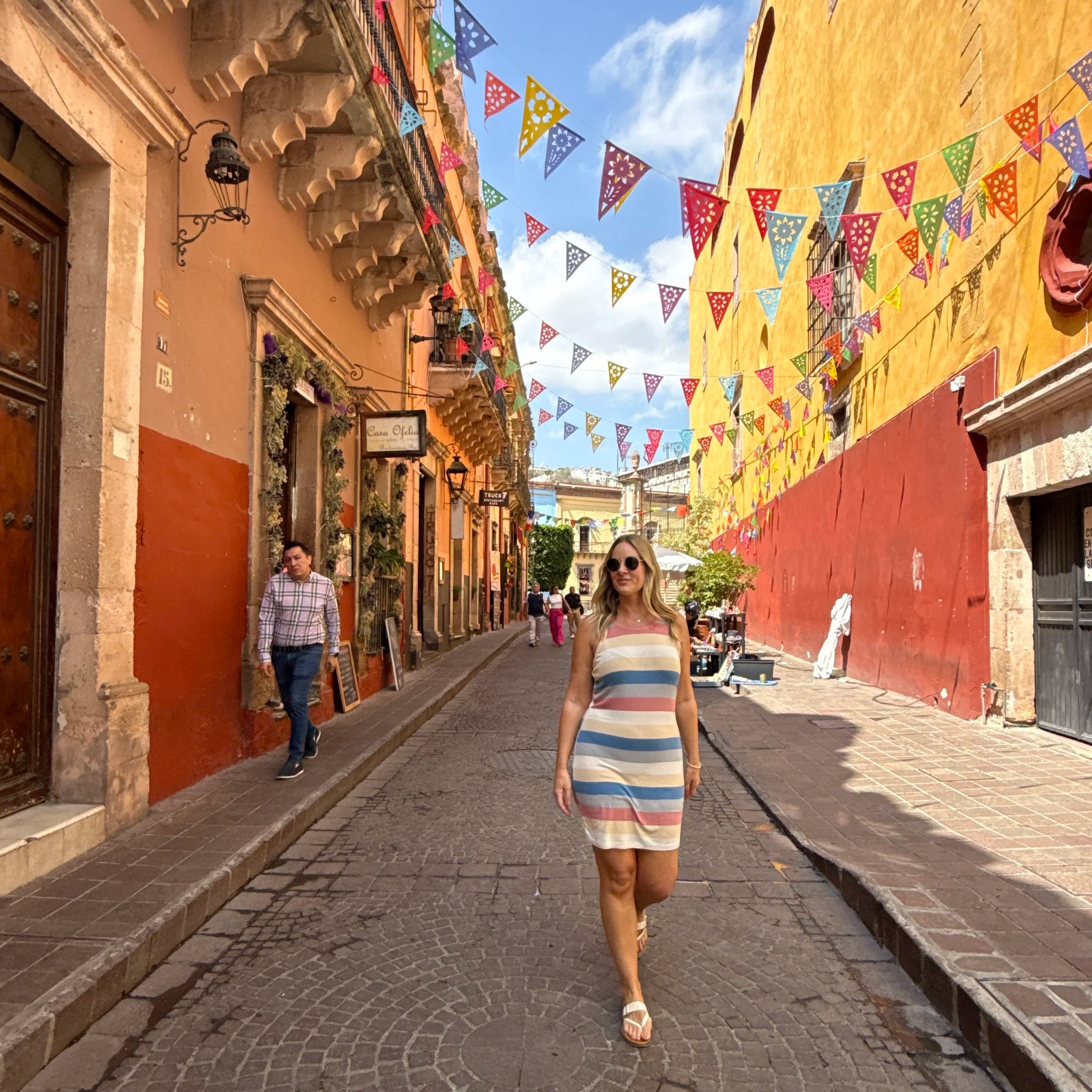
If your Mexico trips have only ever been tourist beaches and big cities, there’s so much more of the country you need to see. And after spending a week traveling through central Mexico, I can tell you that it is one of the best things I have done in all my travels to this country.
Central Mexico is home to a string of UNESCO World Heritage cities that sit within a few hours of each other, each with its own distinct character, history, and food scene. I visited three of them: Querétaro, San Miguel de Allende, and Guanajuato. Here is what you need to know about each one, and why this route deserves a spot on a lot more Mexico itineraries than it currently gets.
At a Glance
Querétaro: Colonial city and gateway to central Mexico's wine country. About 2.5 hours from Mexico City by car.
San Miguel de Allende: Cobblestone streets, a stunning Gothic church, incredible restaurants, and botanical gardens. About 3.5 hours from Mexico City by car.
Guanajuato: The most colorful city in Mexico, with a funicular, underground tunnels, and nightly street music. About 4 hours from Mexico City by car.
All three are UNESCO World Heritage Sites.
All three are reachable by bus from Mexico City.
All three are walkable, relatively affordable, and safe compared to some major Mexican cities.
Getting to Central Mexico
The easiest entry point is Mexico City, which has direct flights from most major US cities. All three cities are within driving distance of Mexico City along the same northwest route, making this an ideal road trip. Querétaro is the closest at about 2.5 hours, San Miguel de Allende is about 3 to 4 hours, and Guanajuato is about 4 hours.
If you prefer not to drive, ETN and Primera Plus are the most reliable bus lines connecting Mexico City to all three cities. I took the bus to each destination and it was an easy and comfortable experience. Buses are modern, on time, and a completely normal way to travel between these destinations. Between Querétaro and San Miguel de Allende the ride is about an hour, and San Miguel de Allende to Guanajuato is about 1.5 hours.
Querétaro: Colonial City Meets Wine Country
Most people fly over Querétaro on the way to somewhere else. That is a mistake.
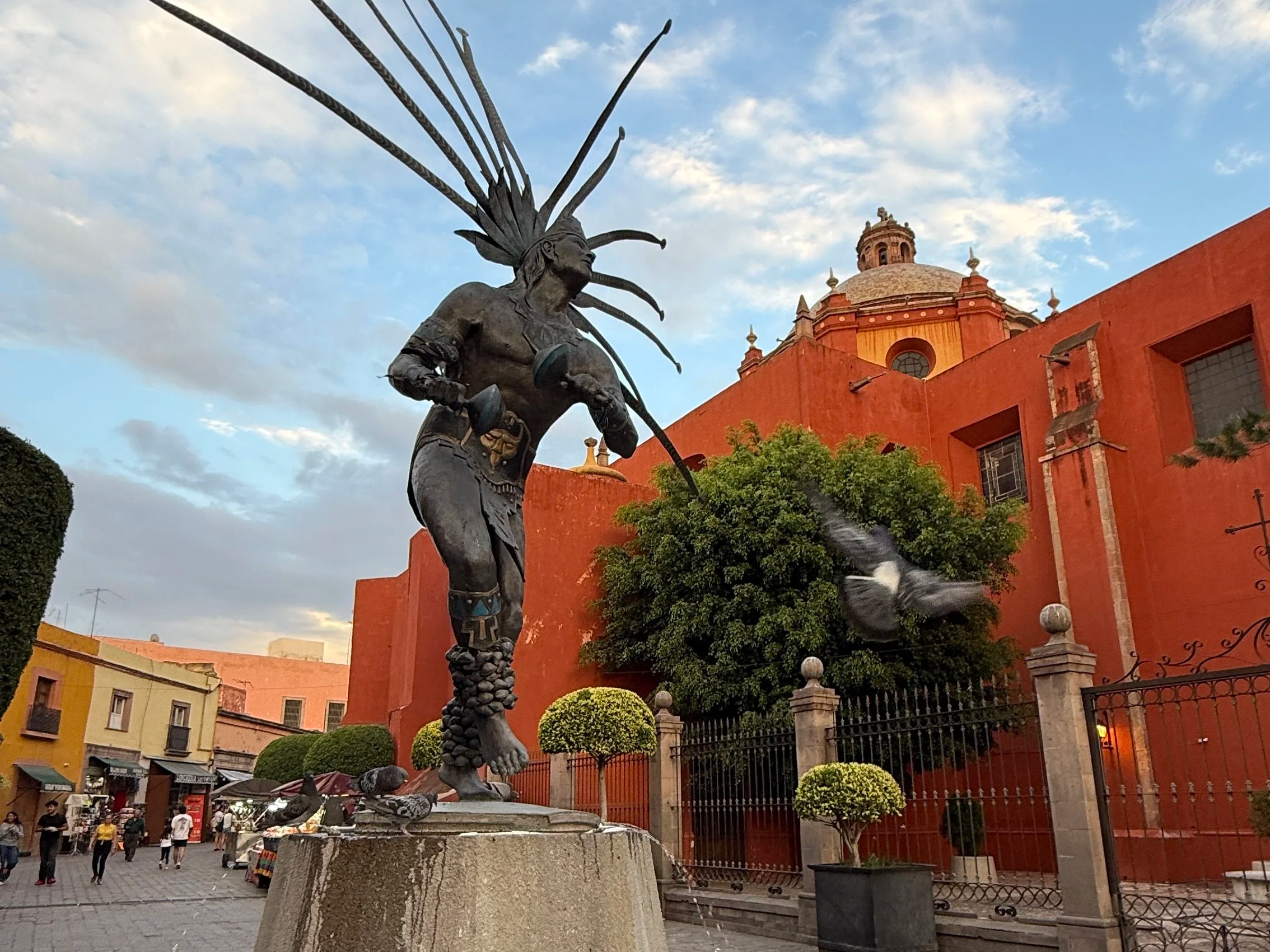
The historic center of Querétaro is a UNESCO World Heritage Site and one of the best-preserved colonial cities in Mexico. The streets are clean, walkable, and lined with colorful buildings, plazas, and churches. There’s also a famous aqueduct that cuts through the city. It was built in the early 18th century and still stands as one of the most impressive pieces of colonial infrastructure in the country.
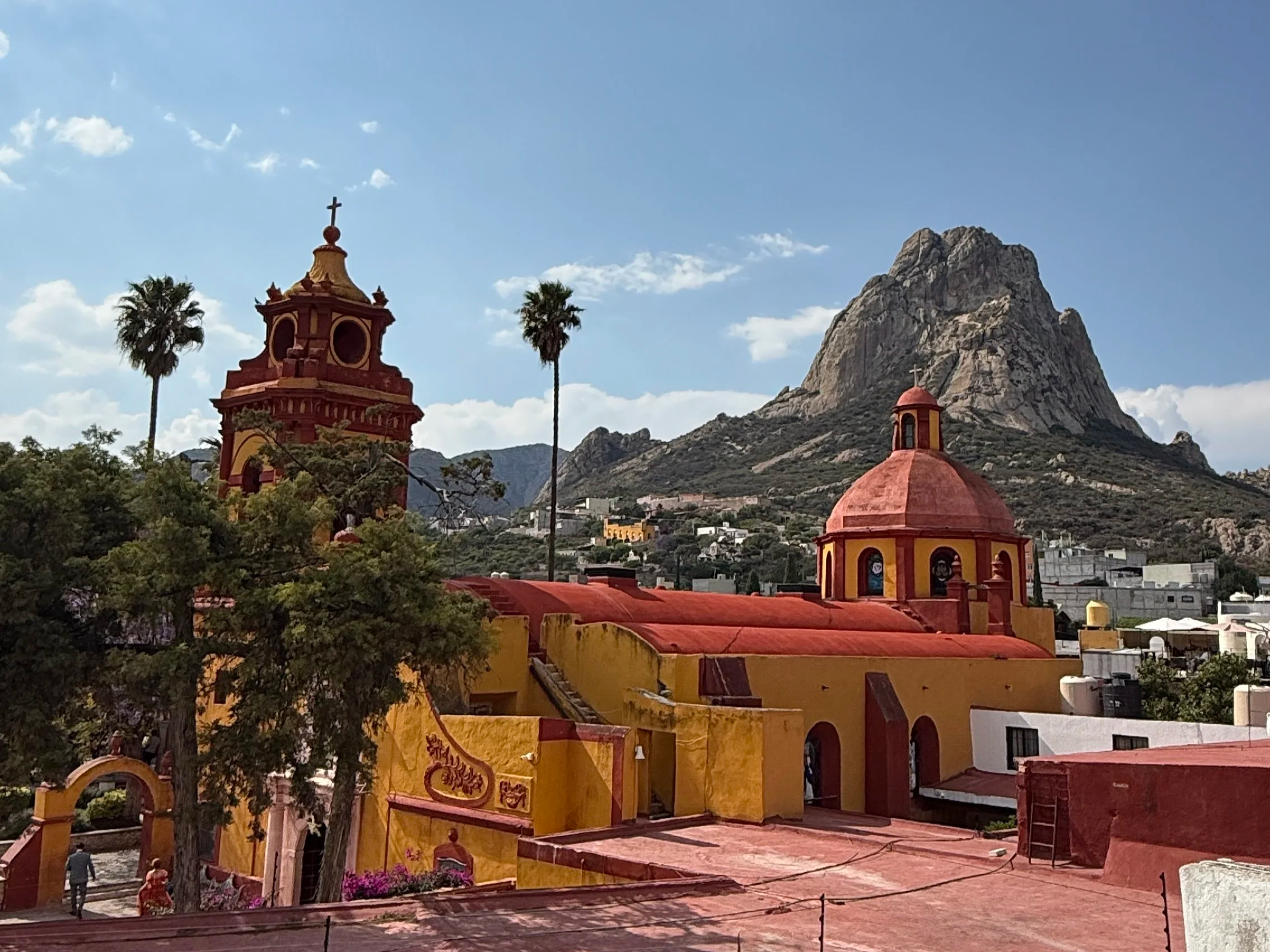
But what sets Querétaro apart from the other cities on this list is that it is also the base for exploring the region's wine country. The state of Querétaro is one of Mexico's wine-producing regions, and it is a side of the country that most international visitors have no idea exists. You can do a full day tour* from the city that take you through local vineyards and into some of the nearby magic towns, which is not just a cute travel term. Pueblos Mágicos is an official Mexican government designation for towns with exceptional cultural, historical, or natural significance. The ones near Querétaro, including Tequisquiapan and Bernal, are well worth a visit.
Where to Stay in Querétaro
Morazul Hotel Boutique: A charming boutique hotel in the historic center with beautiful design and an excellent location. I stayed here for 2 nights during my stay.
What to Do in Querétaro
Walk the historic center and find the aqueduct
Visit the Plaza de Armas and the Templo de Santa Rosa de Viterbo
Do a full day wine and magic towns tour* visiting local vineyards and the towns of Tequisquiapan and Bernal

Where to Eat and Drink in Querétaro
Breakfast: Josefa Café and Bistro, a lovely spot in the historic center with good coffee and a relaxed vibe.
Breakfast: Café Breton, a local institution and a great spot for pan dulce and coffee before heading out for the day.
Lunch: María y su Bici, a popular local spot known for its Oaxacan cuisine. Fresh, flavorful, and great value.
Dinner: Maruca Cocina & Sobremesa, an elevated Mexican restaurant set in a beautiful colonial mansion. Less known than some of the bigger names in the city, which makes it feel like more of a find. I had a fantastic tuna steak here.
Dinner: Mulli, contemporary Mexican cuisine with a strong local following.
Drinks: Alquimia Bar, a Querétaro classic with mezcal cocktails, good music, and a dim, intimate vibe that makes it easy to stay for one more round.
San Miguel de Allende: The Heart of Mexico
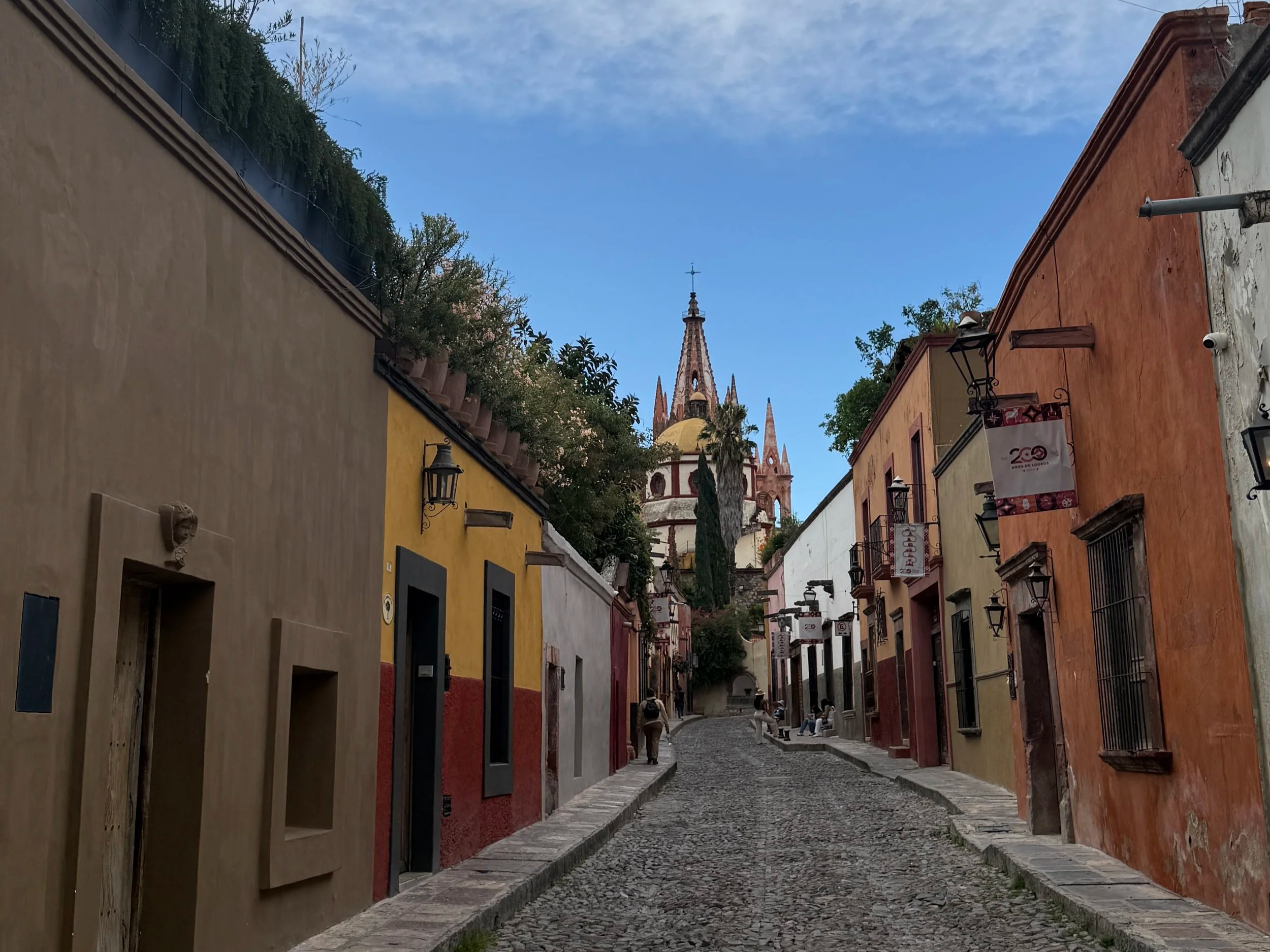
San Miguel de Allende is often called El Corazón de México, and once you have spent a day or two walking its streets, you’ll absolutely get it.
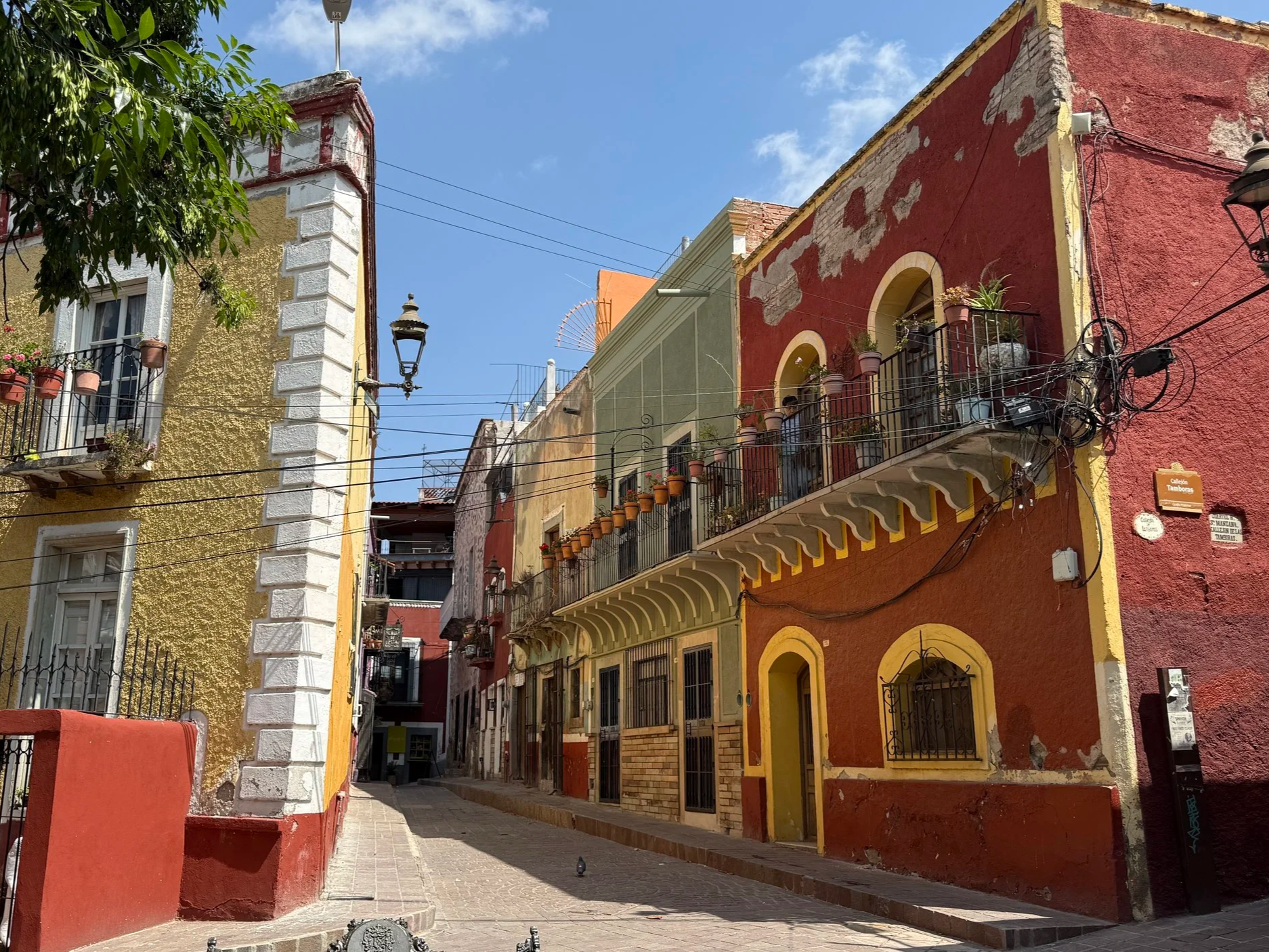
The city sits at around 1,900 meters above sea level, which gives it a mild, near-perfect climate year-round. The historic center is almost entirely intact, with 16th and 17th-century architecture lining every block. The streets are cobblestone, the buildings are painted in every shade of terracotta, pink, yellow, and red, and everywhere you turn there is something worth photographing.
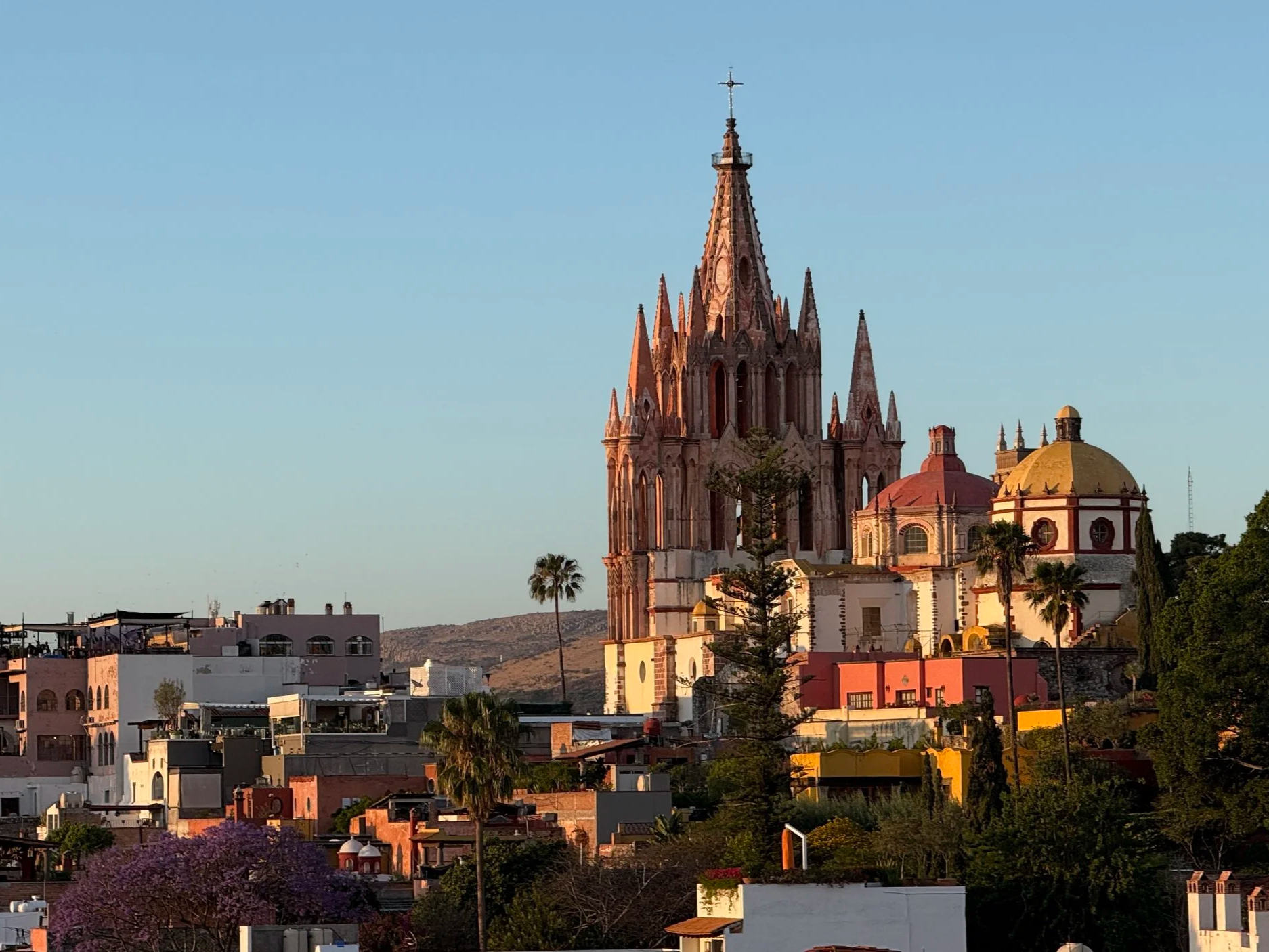
The centerpiece of it all is the Parroquia de San Miguel Arcángel, a neo-Gothic pink church that dominates the main square. It is one of the most photographed buildings in Mexico, and rightly so. It is stunning at any hour, but especially in the early morning or at golden hour when the light hits the stone facade.
San Miguel de Allende has a strong arts and expat community that has shaped its food and gallery scene in interesting ways. The restaurants here are excellent, and the city has a concentration of good dining that you would not necessarily expect from a city this size.
Where to Stay in San Miguel de Allende
Casa Schuck Boutique Hotel: Consistently rated one of the best value boutique stays in the city. Beautiful rooms, breakfast included, great location, and a lovely courtyard.
What to Do in San Miguel de Allende
Take a walking tour of the historic center* to get your bearings and learn the history
Spend time at the Jardín Allende, the main town square, especially in the evening when it fills up
Visit El Charco del Ingenio botanical gardens, one of the largest botanical gardens in Mexico
See the Parroquia de San Miguel Arcángel up close and try to catch it at sunrise or golden hour
Day trip to the Santuario de Atotonilco, a UNESCO World Heritage chapel about 30 minutes outside the city
Browse the galleries and artisan market at Fábrica La Aurora
Do a wine tasting at Viñedo Dos Búhos, one of the local wineries worth visiting
Where to Eat and Drink in San Miguel de Allende
Breakfast: Ki’bok Coffee, excellent coffee and a rooftop with views of the city.
Breakfast: Lavanda Café, known for its lavender lattes and a beautiful rooftop setting.
Breakfast: Garambullo, a local favorite with great coffee and a relaxed morning crowd.
Lunch: Rústica, healthy and seasonal with a hidden courtyard.
Lunch: Hierba Santa, traditional Mexican with a modern approach, located near Fábrica La Aurora.
Lunch: Luna de Queso, a gourmet deli and cafe, great for a lighter midday meal.
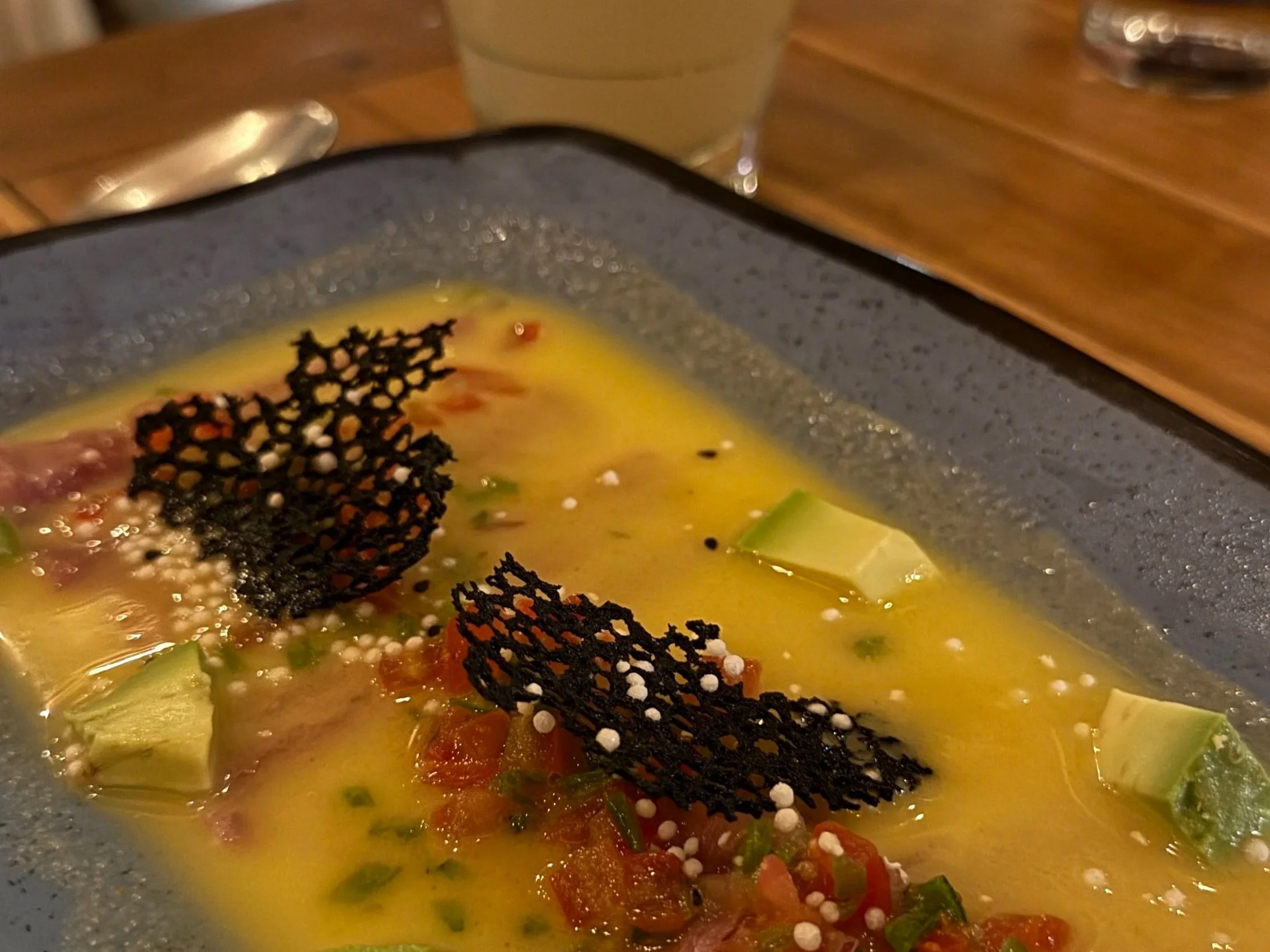
Dinner: Tostévere, one of the best meals I had in the city. Worth making a reservation.
Dinner: Coyote Fuego Mezcalería, a mezcal bar and restaurant with a lively atmosphere and excellent food.
Dinner: La Parada, one of the more lively and popular dinner spots in San Miguel de Allende with a menu worth exploring.
Drinks: Luna Rooftop, the go-to spot for sunset drinks with panoramic views over the city.
Drinks: Bebek, Bebek, a stylish late-night spot known for its creative cocktails and nominated for Best Hotel Bar in Latin America.
Guanajuato: Mexico's Most Colorful City
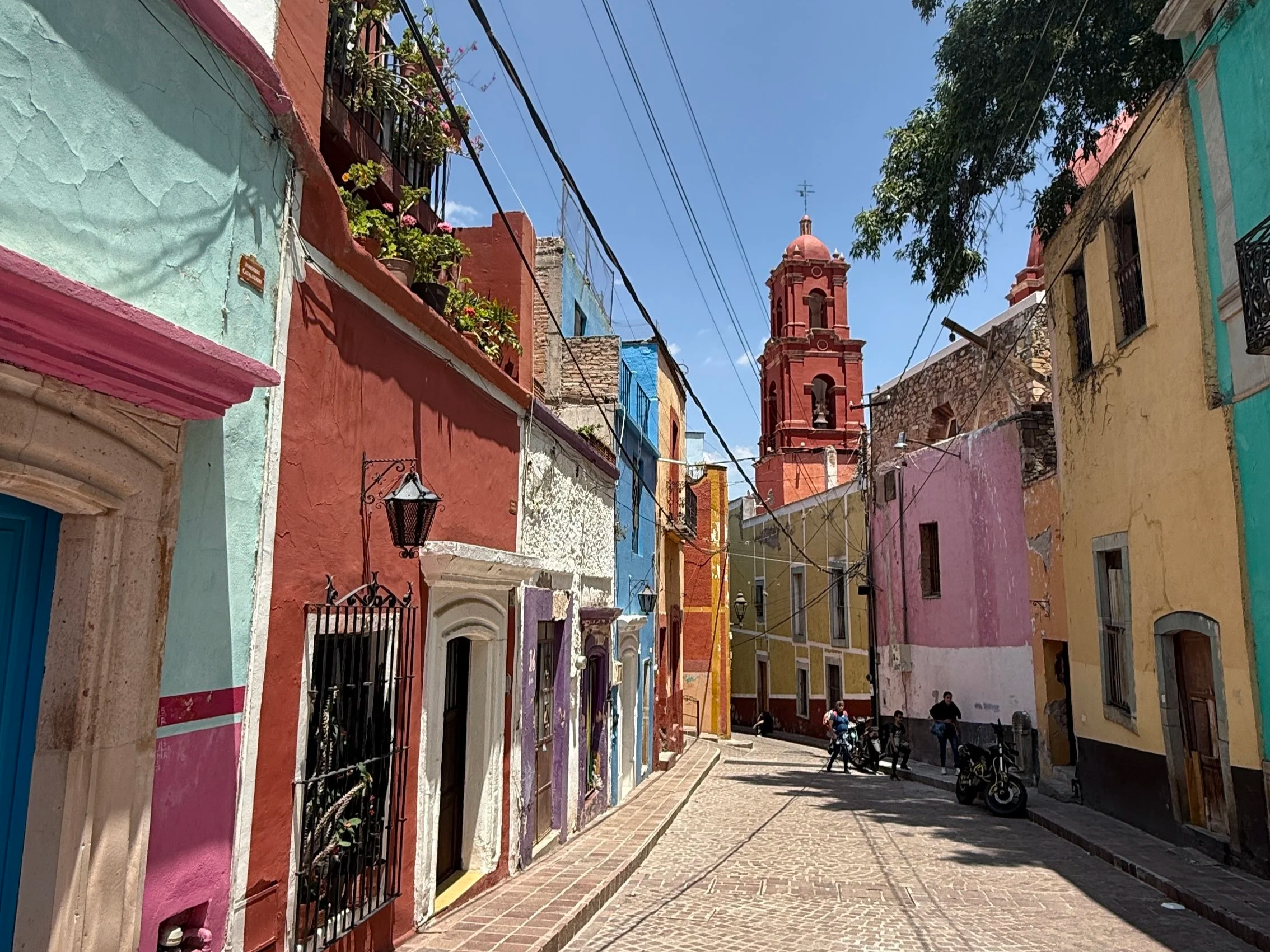
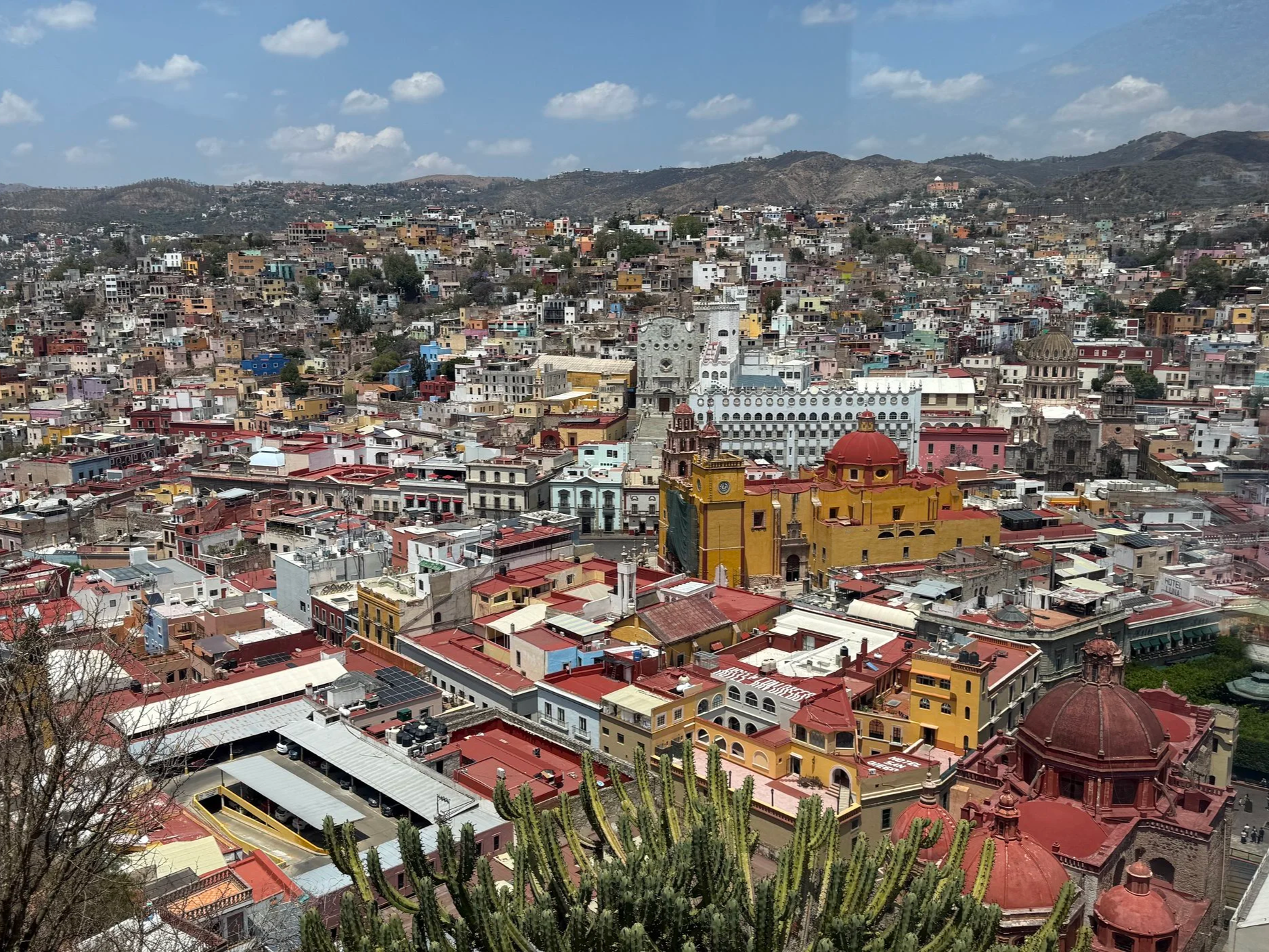
Guanajuato has to be experiences in real life. You have to be there, standing in one of its steep alleyways with colorful facades on either side and flags strung across the sky above you, to get it.
The city is built into a ravine, which gives it a dramatic, almost theatrical quality that none of the other cities on this list can match. Streets wind uphill and disappear around corners. Buildings are stacked on top of each other in shades of orange, yellow, red, green, and pink. The whole place feels a bit unreal.
Guanajuato was one of the world's leading silver-mining centers in the 18th century, and the wealth from that era is visible everywhere in the architecture. The city's baroque and neoclassical buildings are among the most impressive in central Mexico. It is also a university town, which gives it a youthful, bohemian energy that San Miguel de Allende, for all its charm, does not quite have.
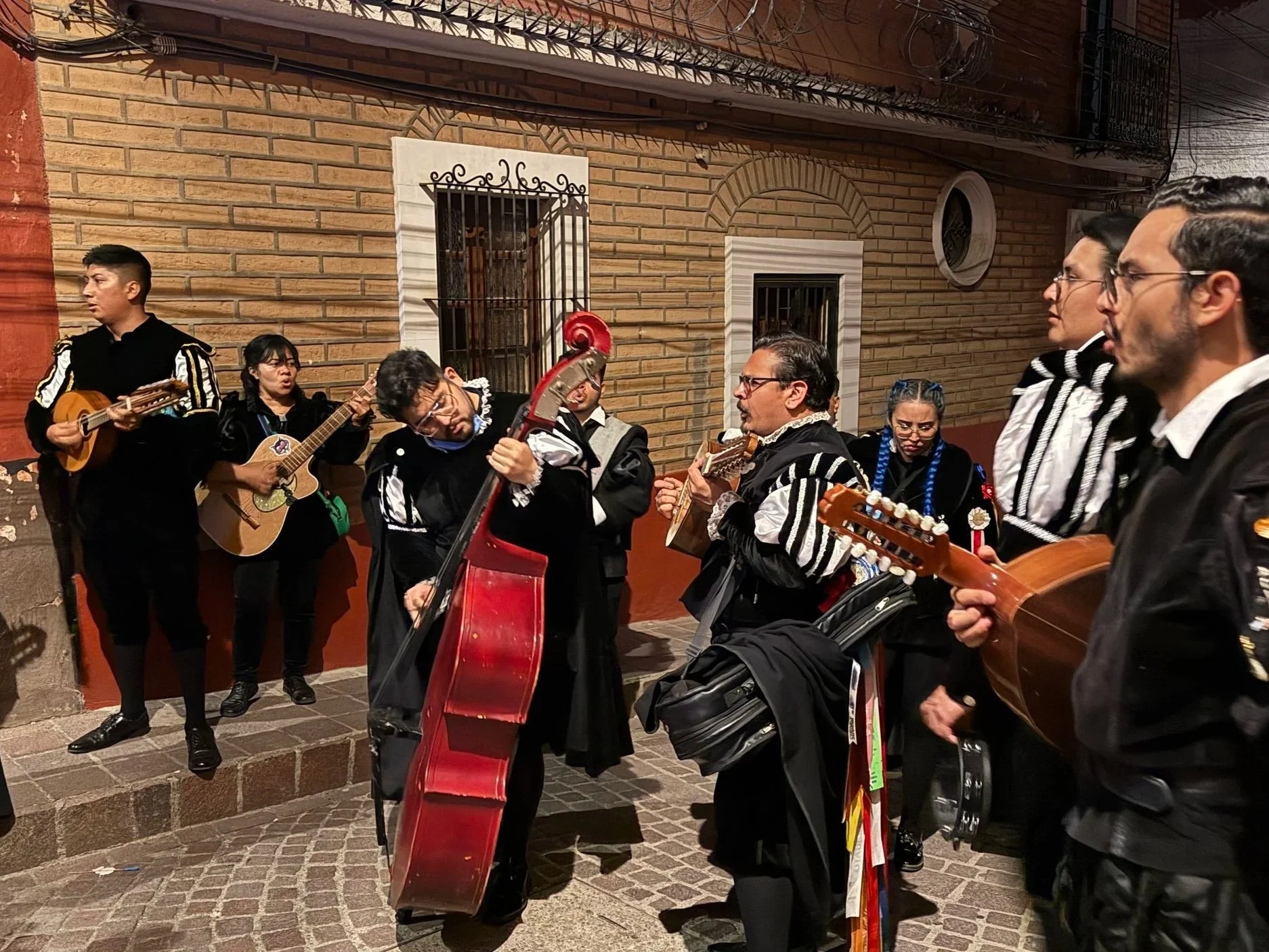
At night, the Callejoneadas bring the streets to life. These are groups of musicians, often dressed in traditional costume, who lead tours through the alleyways playing traditional Mexican music. Every night, you can join the musicians as they walk through the streets for hours, playing music, telling stories, and involving the crowd in really fun ways. This was my favorite activity of the entire week!
Where to Stay in Guanajuato
Hotel Fusion Antigua Trece: A well-located boutique hotel in the historic center. Good design, comfortable rooms, and easy walking distance to everything you want to see.
What to Do in Guanajuato
Wander the historic center, the Jardín de la Unión, and admire the Teatro Juárez
Walk through the underground tunnel system that runs beneath the city
Visit the Museo de las Momias, one of the more unusual museums in Mexico and worth seeing
Take the funicular up to El Pípila for panoramic views of the city, ideally at sunset
Find the Callejón del Beso, a famous narrow alleyway with a story attached
Join the Callejoneadas* in the evening and follow the street musicians through the alleyways
Explore Mercado Hidalgo for local snacks, fresh produce, and a good sense of everyday life in the city
Where to Eat and Drink in Guanajuato
Breakfast: Néctar, a well-regarded local breakfast spot in the historic center with good coffee and a menu worth starting the day with.
Breakfast:Vamos con Lalo, a local favorite and a great start to the day before exploring the city.
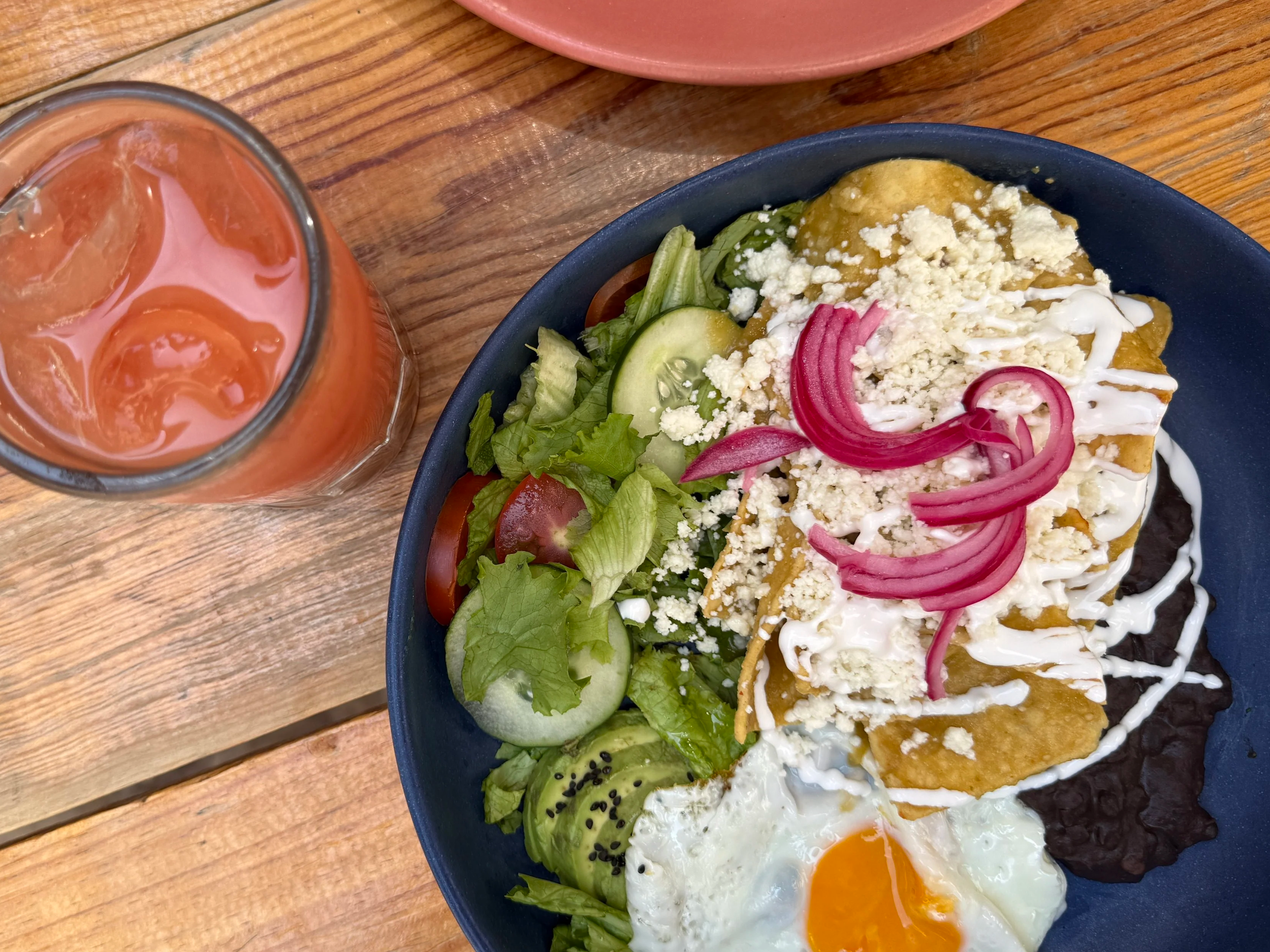
Lunch: Mercado Hidalgo, the covered market in the center of the city. Grab enchiladas mineras or whatever looks good at the stalls inside.
Lunch: Santo Café, set on a bridge with views of the city below. Worth it for the location alone.
Dinner: Casa Valadez, a classic Guanajuato restaurant overlooking the Jardín de la Unión. Good food, great setting.
Dinner: Mestizo, a Mexican-European fusion restaurant set inside an art gallery. Creative food and one of the more atmospheric spots in the city.
Practical Information for Central Mexico
Getting Between Cities
All three cities are connected by bus. ETN and Primera Plus are the most reliable lines. You can also hire private drivers for more flexibility, especially if you are traveling with a group. The roads between cities are paved and in good condition.
Best Time to Visit
Central Mexico has a mild climate year-round thanks to its elevation. The dry season runs roughly from October through April and is generally the most comfortable time to visit. The rainy season brings afternoon showers from May through September, but they are usually short and temperatures remain pleasant.
How Long to Spend
A week gives you enough time to spend two days in Guanajuato, three in San Miguel de Allende, and two in Querétaro, which is a solid itinerary. If you have more time, any of these cities deserves more time.
Safety
All three cities are among the safest destinations in Mexico for international travelers. The historic centers are walkable, well-lit, and busy with both tourists and locals. Exercise normal precautions as you would in any unfamiliar city.
Language
Spanish is the primary language. English is spoken at many hotels, restaurants, and tourist sites, but knowing some Spanish phrases goes a long way, especially at local markets and smaller spots.
Currency
Mexico uses the Mexican Peso. ATMs are widely available in all three cities. Most restaurants and hotels accept credit cards, but carrying some cash is useful for markets, street food, and smaller local spots.
Final Thoughts
Central Mexico scratched an itch I did not know I had. It’s off the beaten path, but that is exactly what makes it worth going. Rich history, gorgeous architecture, food that holds its own against anywhere in the country, and a pace of life that feels genuinely different from the resorts and beach clubs.
If you are planning a trip and looking for something beyond the usual, this route is worth your time.
Some links on this page marked with * are affiliate links. I earn a small commission if you purchase at no extra cost to you. I only recommend products I personally use. Thank you for supporting Traveling Berri!
