

Understanding Colombia's Complex Past: What a Deep Dive Tour Taught Me
What most travelers get wrong about Colombia, and why you should come anyway
Some links on this page marked with * are affiliate links. I earn a small commission if you purchase at no extra cost to you. I only recommend products I personally use. Thank you for supporting Traveling Berri!
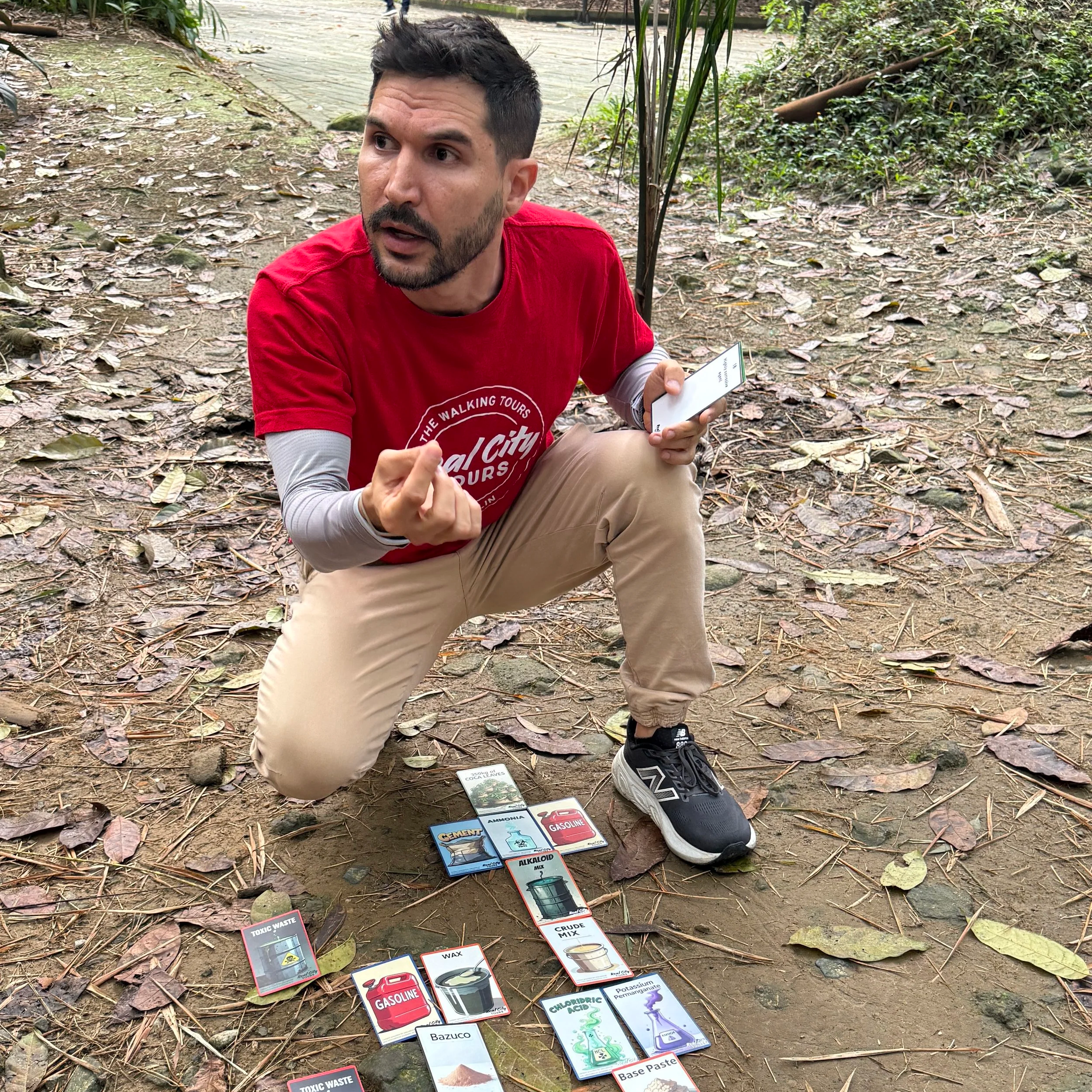
Let's be honest. When most people think about Colombia, one thing and one person comes to mind. I was no different. Before I came here, my understanding of this country was shaped almost entirely by news coverage and television, which is a deeply flawed picture.
As a digital nomad, I make it a point to actually get to know the places I visit. Not just the highlights and the food and the Instagram spots, but the history, the politics, the human stories underneath all of it. Colombia felt especially important to approach that way. So I booked a deep dive history tour*, and what I learned shifted my perspective in ways I wasn't expecting.
Here's what actually stuck with me.
The Coca Leaf Is Not Cocaine
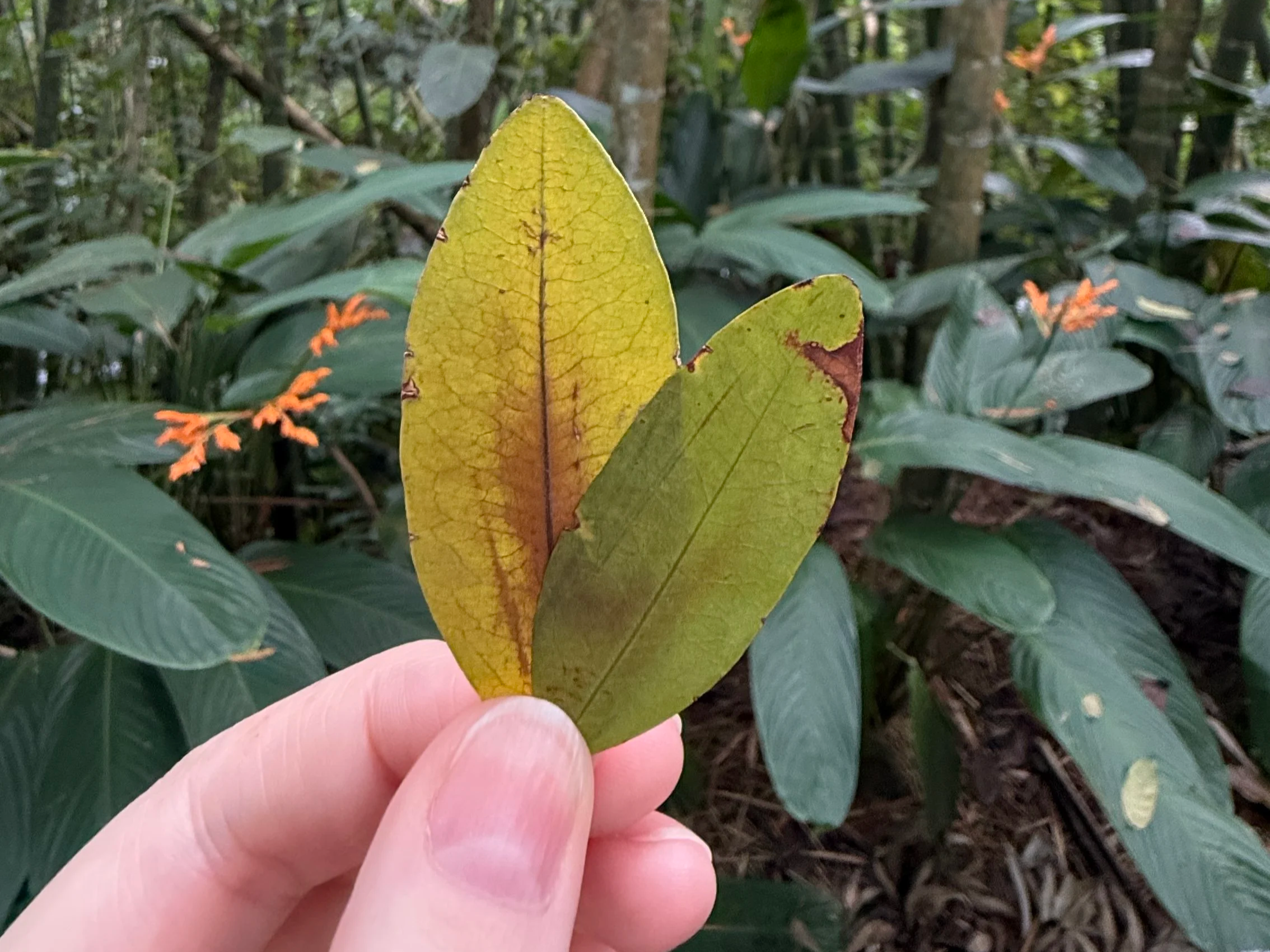
The coca leaf, the plant at the origin of all of this, is not cocaine. It is not dangerous. It has been chewed, brewed into tea, and used medicinally and ceremonially by indigenous communities across South America for thousands of years. It suppresses altitude sickness, reduces hunger and fatigue, and holds deep spiritual and cultural significance for countless communities throughout the Andes and beyond.
Here's the comparison that really landed for me on the tour: the coca leaf is actually further removed from cocaine than wheat is from bread, or grapes from wine. The chemical transformation required to turn the raw leaf into cocaine is extensive, industrial, and has nothing to do with how the plant has been used traditionally for millennia.
But governments needed a scapegoat during the War on Drugs, and the leaf itself got swept up in the crackdown. It is now illegal in most of the world, including the United States, despite having no meaningful relationship to the processed drug that caused so much devastation. For indigenous communities whose entire cultural identity is intertwined with the coca leaf, that criminalization has been its own kind of violence.
Pablo Escobar Didn't Start the Drug Trade, and It Didn’t End with Him
This reframing was significant for me, and I think it's the piece that most people are missing when they talk about Colombia's history.
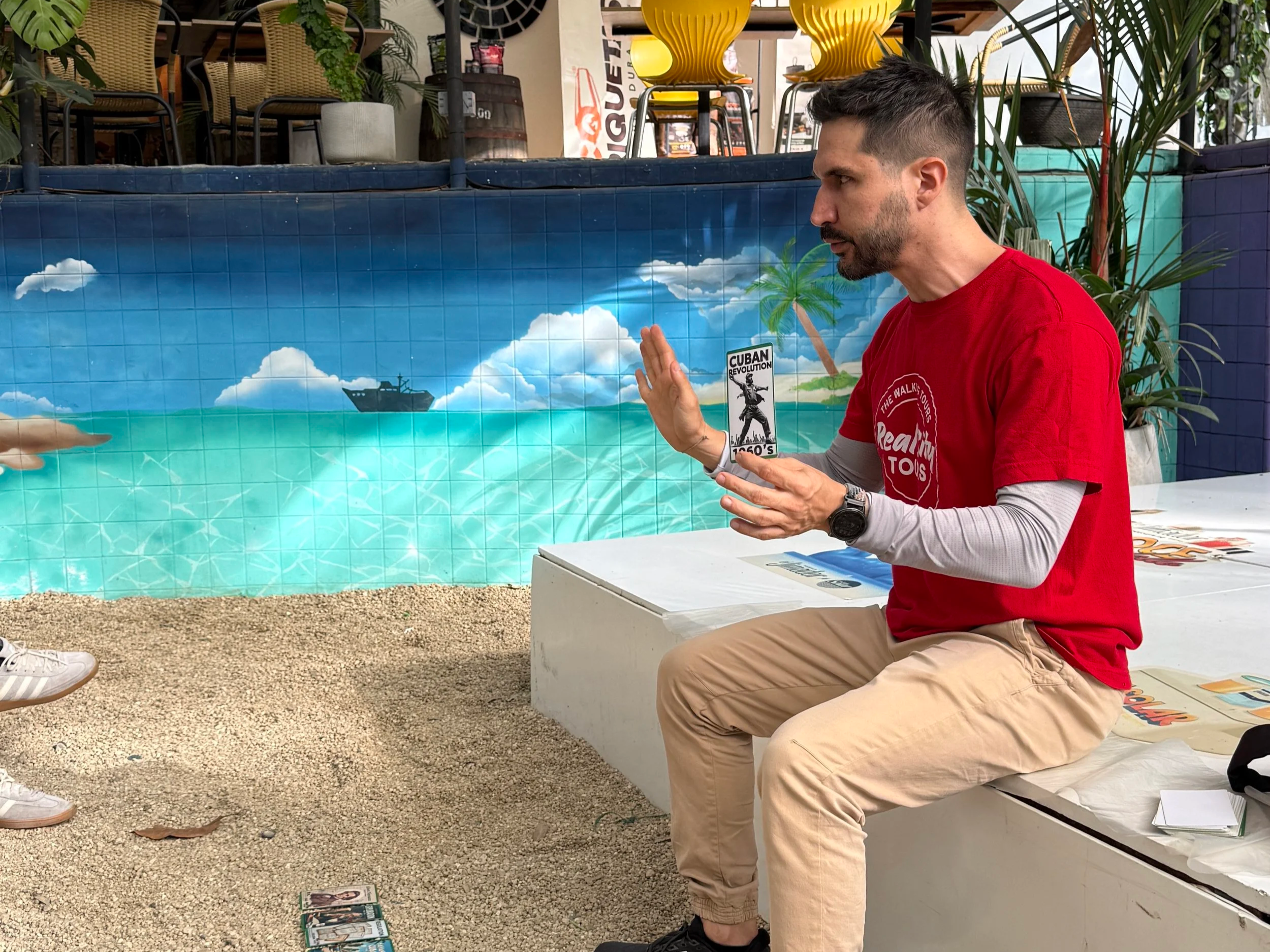
Escobar did not create the conditions that made the drug trade possible. He emerged from them. Decades of political instability, deep poverty, government corruption, armed conflict between guerrilla groups and paramilitary forces, and massive international demand, primarily from the United States, all combined to create an environment where cartels could not only exist but thrive. The global appetite for cocaine, particularly during the 1970s and 1980s, was the engine. The cartels were a response to that demand, not the origin of it.
Escobar was part of a system, a brutal, calculating, and extraordinarily violent system. And when he died in 1993, the system didn't disappear with him. The trade fragmented, restructured, and continued. Understanding his story without understanding that broader context means missing most of what actually happened.
Colombia Is So Much More Than Its Darkest Chapter
This is the part that I feel most strongly about, and the part I most want people to take away from this post.
The stories I heard on this tour about what ordinary Colombian people lived through during the height of the violence were heartbreaking. Families torn apart, neighborhoods held hostage by armed groups, a generation that grew up not knowing anything different. The weight of that history is real, and it deserves to be acknowledged.
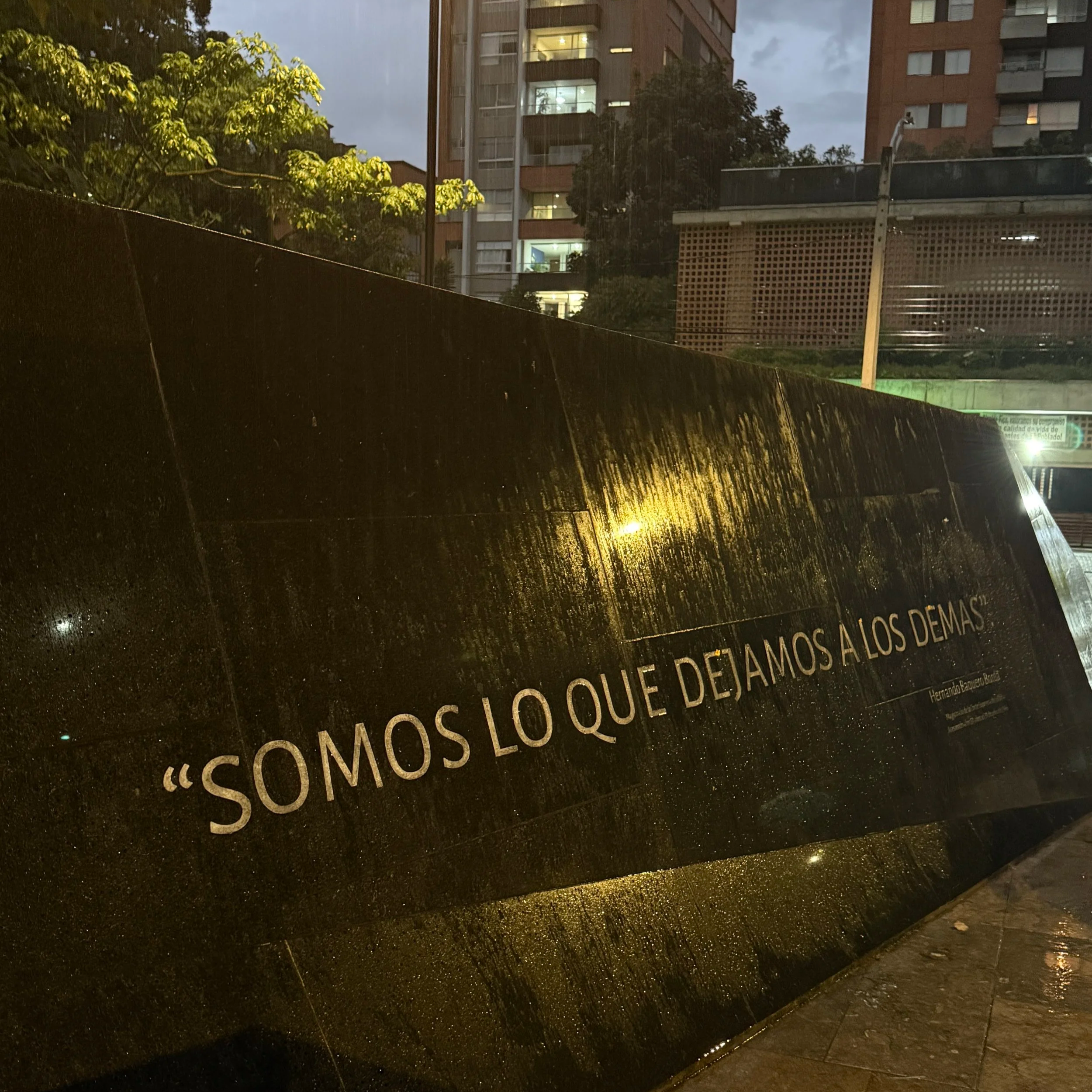
But what has happened since is just as real. Medellín, once considered one of the most dangerous cities on earth, is now a city of art, innovation, thriving neighborhoods, and some of the most warm and proud people I've encountered anywhere in my travels. The transformation is not complete, and there are still significant challenges here, politically, economically, and socially. Nobody is pretending otherwise. But the distance between what this city was and what it is today is extraordinary, and that story deserves as much attention as the dark one.
The Colombia that the media portrays is one dimensional. The Colombia that actually exists is layered, resilient, creative, and absolutely worth knowing.
Why You Need a Guide for This
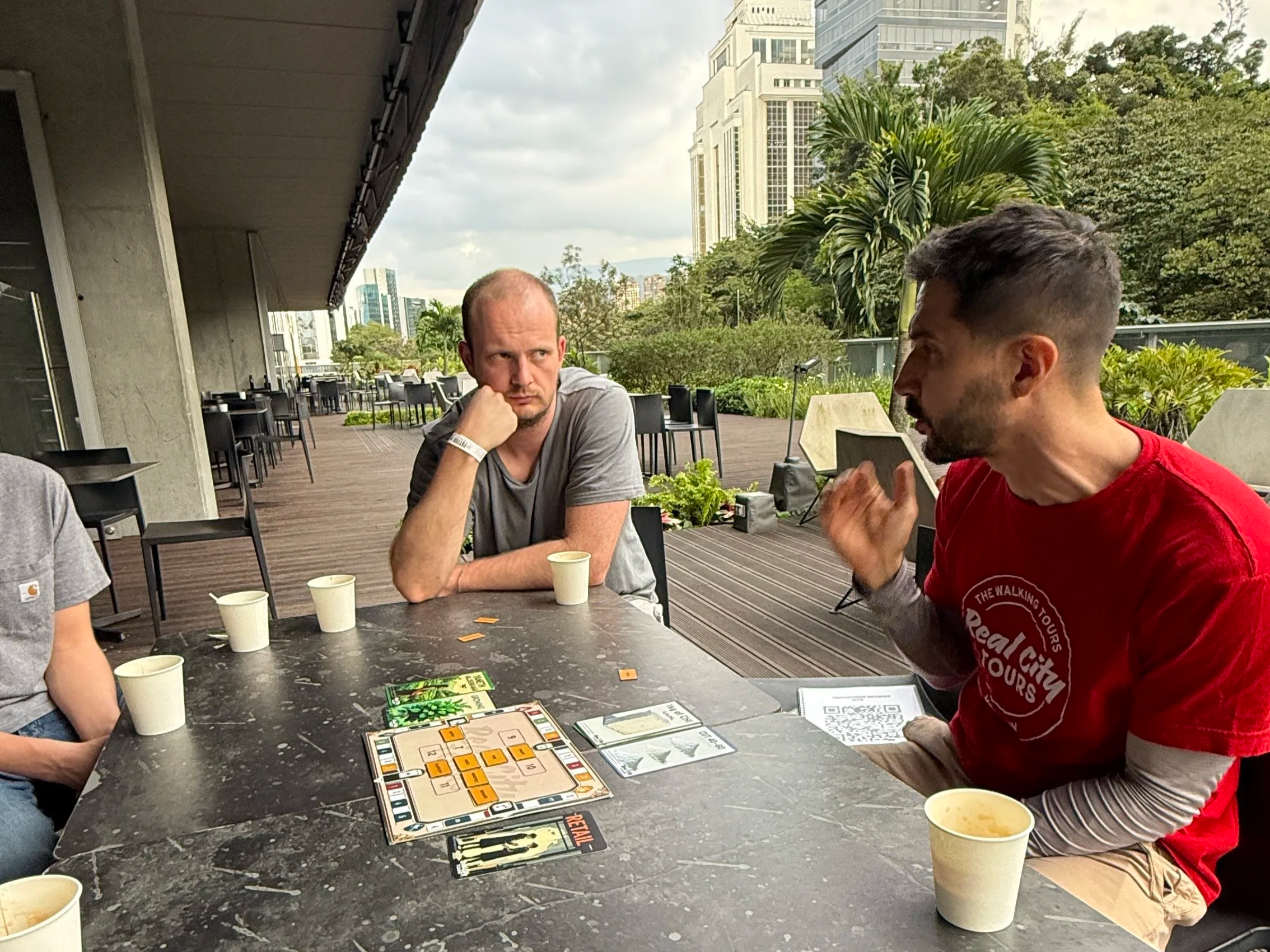
I can not stress this enough: if you want to understand Colombia's history, book a tour that takes it seriously. This is not the topic for a Wikipedia rabbit hole or a true crime podcast. The history is too complex, too layered, and too human for a surface-level treatment to do it justice.
I did my tour with Real City Tours*, and they were exceptional.* The guides are storytellers as much as historians, and they have a rare ability to take something this dense and morally complicated and make it genuinely comprehensible without oversimplifying it. They don't shy away from the difficult parts, but they also don't let the narrative stop there. By the end of the tour, I understood way more about Colombia that I simply could not have done on my own.
Come to Colombia
Don't let a complicated history that Colombia is actively working to overcome be the reason you avoid this country. Come here. Walk around Medellín. Take the metro. Climb El Peñón in Guatapé. Eat amazing exotic fruits. Eat well. Talk to people. Ask questions and actually listen to the answers.
You will leave knowing far more than the fear-driven media narrative ever offered you, and you will leave having experienced one of the most fascinating and beautiful countries in the world.
That's the Colombia worth talking about.
Some links on this page marked with * are affiliate links. I earn a small commission if you purchase at no extra cost to you. I only recommend products I personally use. Thank you for supporting Traveling Berri!
