

Get Off the Tourist Trail: Why Moravia Is the Most Powerful Stop in Medellín
The community built on a garbage dump that became one of the most inspiring places I visited in Colombia
Some links on this page marked with * are affiliate links. I earn a small commission if you purchase at no extra cost to you. I only recommend products I personally use. Thank you for supporting Traveling Berri!
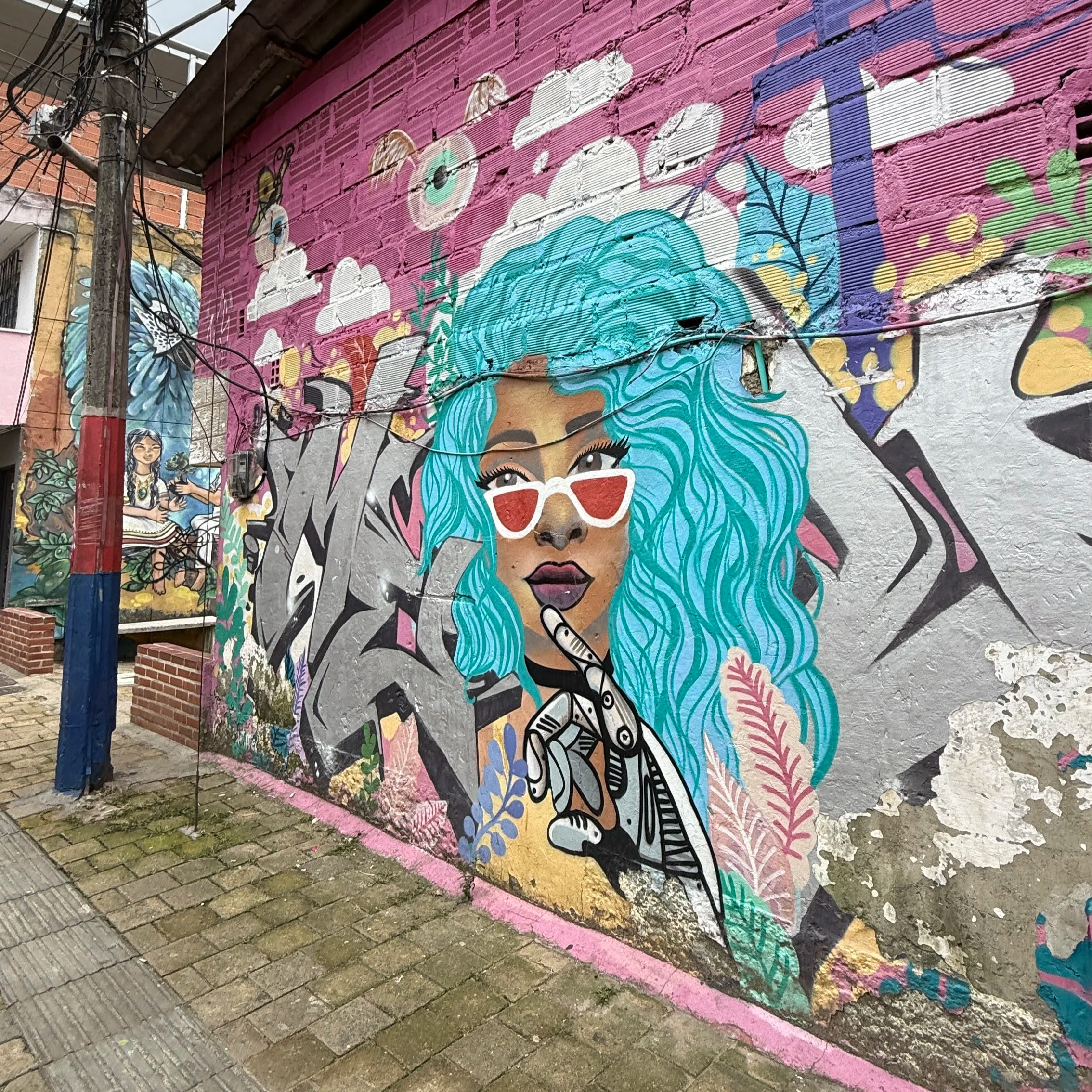
Everyone who comes to Medellín, Colombia gets told to go to Comuna 13. And it's worth going, I've been and I'd recommend it. But if you want a neighborhood experience that feels less curated and more human, one where the story of the community itself is the attraction, there's somewhere else you should know about.
Moravia is one of the most remarkable places I visited in all of Colombia. And almost nobody talks about it.
What Is Moravia?
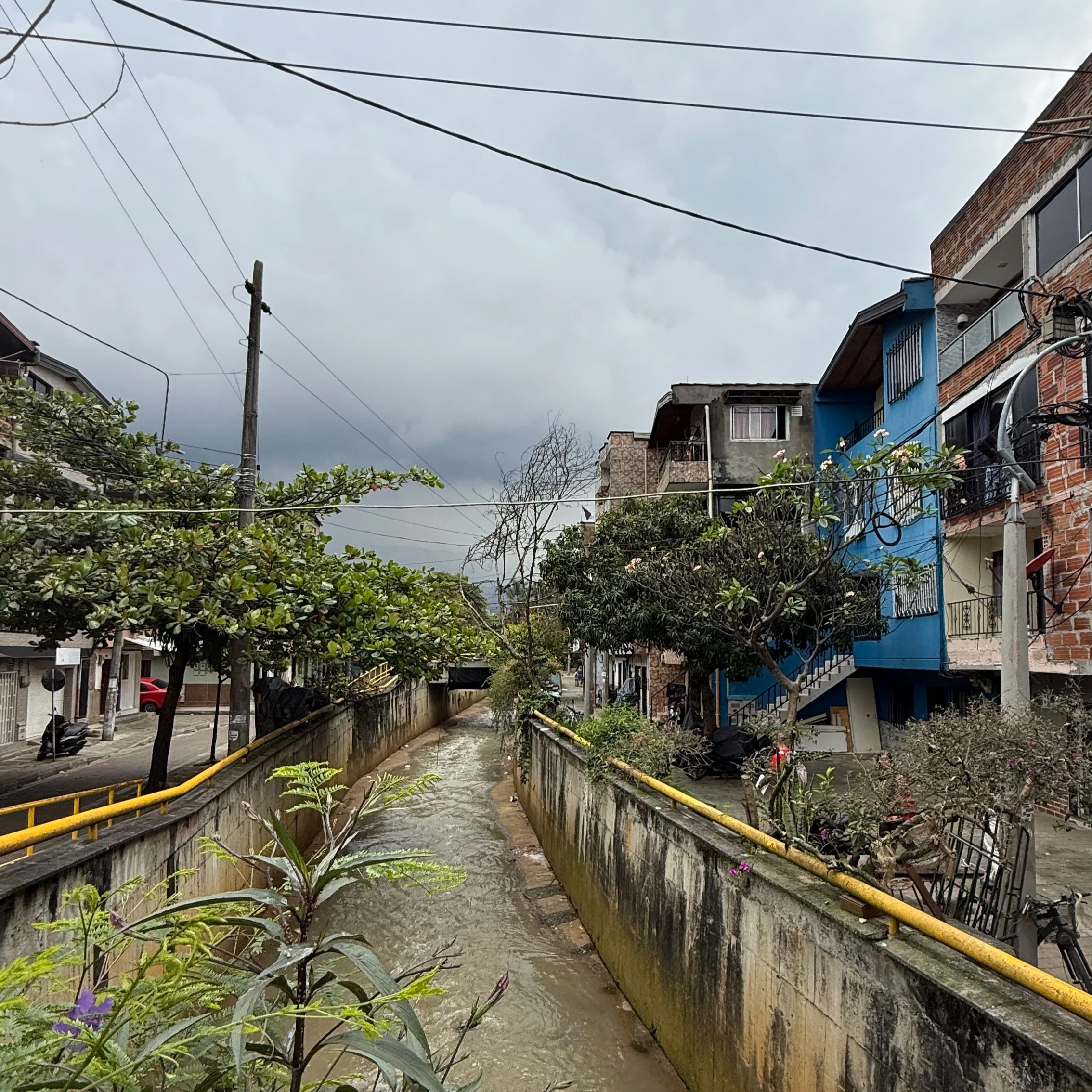
Moravia is a community in Comuna 4 in the northeastern part of Medellín, and its origin story is unlike anything I'd encountered before arriving here.
In the 1960s, Colombian families displaced by rural violence began arriving in Medellín with nowhere to go. They found a spot of land and began their settlement, but the city's wasn’t happy about it. Their response was to turn that land into a city garbage dump site to try to evict these new residents. The families stayed anyway. They built their homes on top of the trash, literally, using the discarded materials around them as construction resources and selling salvageable waste to fund the community's early growth.
What grew out of that beginning, over the next six decades, is the community of Moravia: a neighborhood of around 40,000 people, colorful street art, thriving gardens built on what was once a waste mound, and a community center that serves as the beating heart of the area. The physical transformation is striking. The human story behind it is something else entirely.
The Barrio Transformation Tour
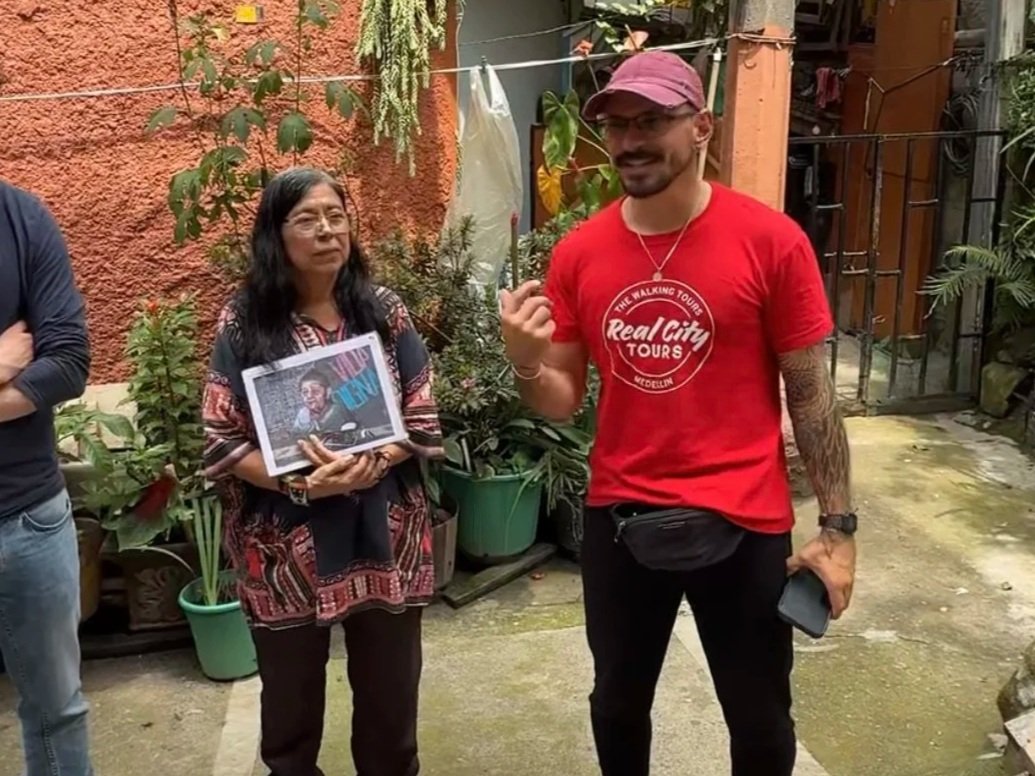
I did the Comuna 4 Barrio Transformation Tour* here through Real City Tours, and it’s among the most meaningful experiences I had in Colombia. Our guide was Toto, who navigated the neighborhood's layered history with a depth and nuance that comes from someone who truly knows and respects the place. But what made this tour extraordinary was our second host.
Meeting Heroina
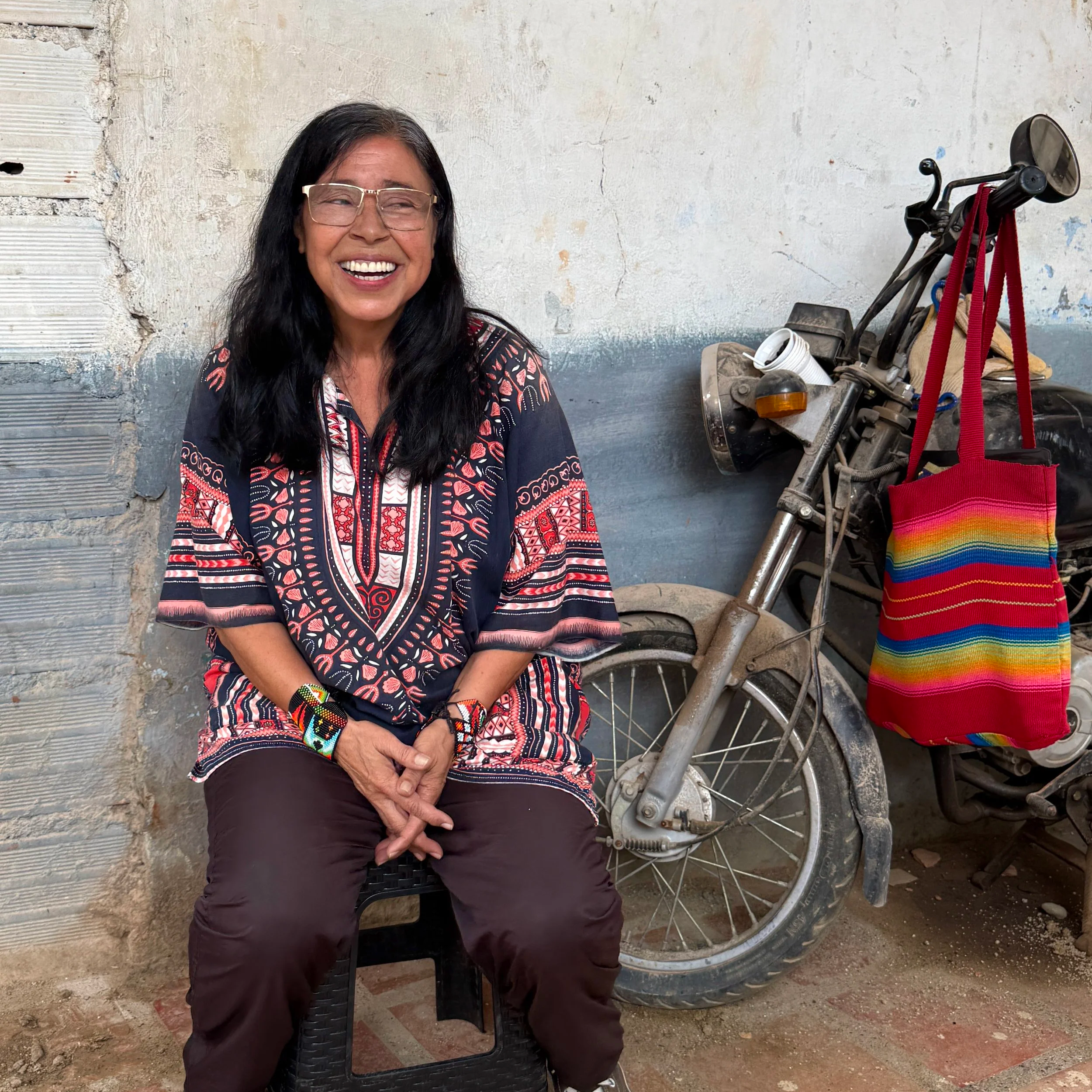
Heroina is one of 120 Community Leaders in Moravia, and she came to the neighborhood as a child in the 1960s, one of the earliest families to settle here. She has lived through every chapter of this community's story, and she told it to us herself.
As a child, she and others collected and sold trash from the dump they lived on to generate income and fund the building of the community around them. She helped create the first official map of Moravia alongside the neighborhood president, a foundational act of claiming space and identity in a place the city had tried to write off. She helped found the kindergarten in the neighborhood and was one of its first teachers, understanding early that education was a direct path to a different kind of future for the children growing up here.
Today, 86% of Moravia's 120 Community Leaders are women. That statistic represents decades of women like Heroina stepping into roles of responsibility and staying there, building institutions and advocating for their neighbors when no one else would.
Sitting with her and listening to her speak about her life and this community was a travel experience that ignites something in you. She was not performing resilience for tourists. She was just telling the truth about her life, and her life happened to be extraordinary.
What Moravia Looks Like Today
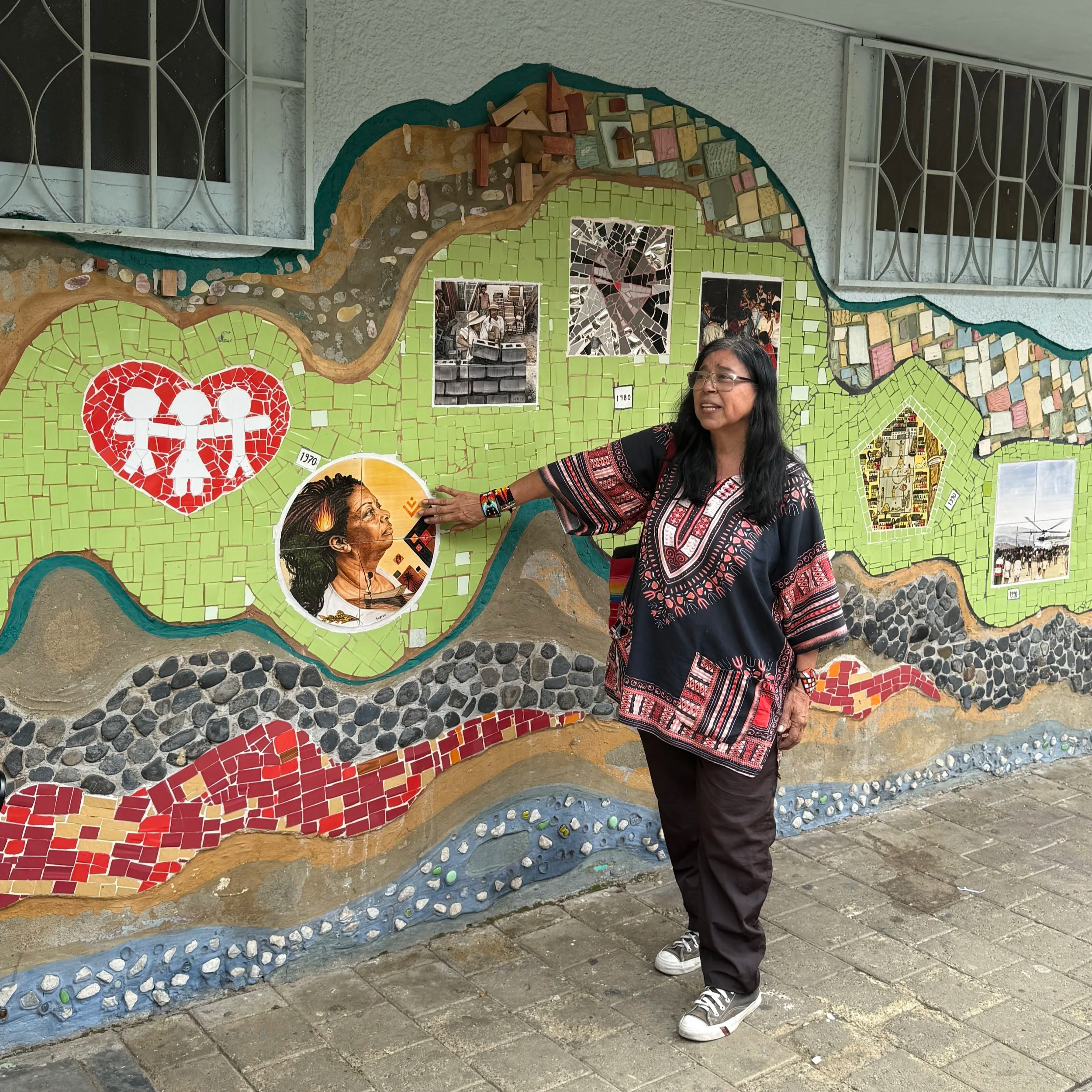
The physical transformation of Moravia over the last 60 years is hard to fully grasp until you're standing in the middle of it.
The garbage mound that the community was built on has been partially converted into gardens, a remarkable environmental reclamation project that has turned the neighborhood into something green and alive. Colorful murals cover the walls throughout the community, many of them created by local artists and depicting the history and identity of the neighborhood. The community center is active and well-used, offering programming for residents of all ages.
The population has grown from a handful of displaced families to approximately 40,000 people. There are schools, churches, local businesses, and a community infrastructure that was built entirely from the ground up by the people who live here, without support from the city that originally tried to push them out.
And while the visible changes are significant, what they represent for the people here is the more important story. Young people growing up in Moravia today have access to opportunities that Heroina's generation could not have imagined. That shift, slow and hard-won as it was, is what this neighborhood fought for.
It's also worth noting that Moravia's story is not finished, and not everything is resolved. The community's fight for autonomy and recognition from the city of Medellín is ongoing, and the tension between a neighborhood that built itself from nothing and a city that once tried to erase it has not fully disappeared. Visiting with that awareness matters. This is not a transformation that happened and then stopped. It's one that is still being negotiated everyday by the people who live here.
Moravia vs. Comuna 13: Why Both Matter
This is not a competition between neighborhoods, and visiting one doesn't mean skipping the other. But they offer very different experiences, and it's worth understanding that distinction before you go.
Comuna 13 has become a polished, well-organized tourist destination. The street art is world-class, the history is important, and the tour operators there do meaningful work. But the infrastructure of tourism is visible, and for some visitors, that changes the feeling of the place.
Moravia is rawer. The tourism infrastructure is minimal. You are a guest in a living, working community, not a visitor moving through a designated circuit. The story is told by the people who actually lived it, not by a script. That difference is significant, and for travelers who want to understand Medellín beyond the highlights, Moravia is where to go.
Why You Should Do This Tour
Real City Tours runs the Comuna 4 Barrio Transformation Tour* in Moravia, and I cannot recommend it highly enough. A portion of what you pay goes directly back into the community, which matters here more than almost anywhere else I've visited. The guides are exceptional, the community hosts are extraordinary, and you will leave with a understanding of Medellín that no amount of wandering on your own could give you.
If you're putting together your Medellín itinerary and you're trying to decide what to prioritize, put this at the top of the list.
Some links on this page marked with * are affiliate links. I earn a small commission if you purchase at no extra cost to you. I only recommend products I personally use. Thank you for supporting Traveling Berri!
