

Passport Rules Every Traveler Needs to Know (Before You Get Denied at the Border)
Five mistakes that could get you turned away at immigration. Or worse.
I've used my passport to travel to 58 countries, and I can tell you from experience: your passport is the single most important thing you carry when you travel internationally. Lose it, damage it, or show up with the wrong version of it, and your trip is over before it starts.
Most travelers know the basics (keep it safe, don't leave it in your hotel room) but there are some less obvious rules that could get you denied entry to another country, or in one case, get your passport revoked entirely. Here's what you need to know before your next trip.
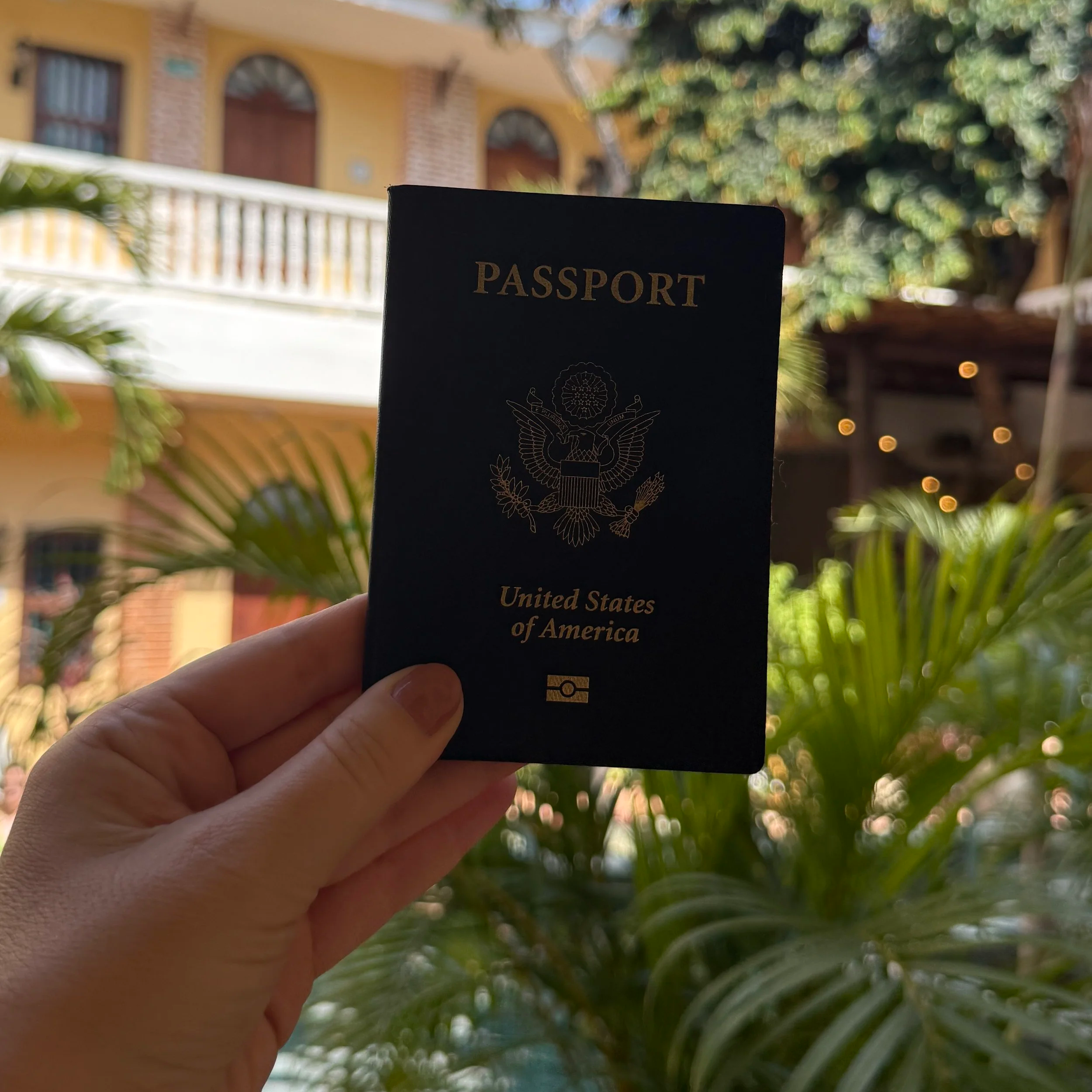
1. Check your passport's expiration date carefully
This one catches more travelers off guard than you'd expect. It's not enough for your passport to be valid when you land. Most countries require your passport to be valid for at least six months beyond your planned departure date from their country.
That means if you’re planning a trip that ends in January and your passport expires in May, you could be denied boarding or entry even though your passport technically hasn't expired yet.
Every country has its own specific requirements, so always check the entry rules for your destination before you travel. The U.S. State Department's travel website is a reliable starting point.
If your passport is getting close to expiration, renew it before you book anything. Processing times can run several weeks, and expedited services add cost. Don't leave it until the last minute.
2. Make sure you have enough blank pages for stamps
This is one of the most overlooked passport rules, and it has real consequences.
While the world is going increasingly digital, many countries still give physical stamps. I collected around 10 stamps in 2025 alone. If you don't have enough blank pages available when you arrive at immigration, you can be denied entry on the spot.
Here's the catch: not all pages in your passport are stamp-eligible. The pages in the back labeled "Endorsements" are designated for official visa endorsements only and cannot be used for stamps. They look like regular pages, but they don’t count as available pages.
A few things to know:
As of 2016, the U.S. no longer allows you to add extra pages to an existing passport. Once it's full, you need a new one.
When ordering a new U.S. passport, you can request a 52-page passport instead of the standard 28-page version at no extra cost. If you travel frequently, always choose the larger option.
Start tracking your remaining pages well before a trip. Don't wait until you're at the airport.
3. Do not get novelty passport stamps
This one is serious, and not enough people know about it.
Certain tourist destinations offer novelty passport stamps. Machu Picchu in Peru and Checkpoint Charlie in Berlin are two well-known examples. They seem like a fun souvenir, and a lot of travelers get them without thinking twice.
Do not do this.
Having any unofficial marking in your passport (anything not placed there by an authorized immigration official) can invalidate your passport entirely. Your passport is a legal government document, and it has to remain free of unofficial additions. One novelty stamp from a tourist attraction could result in your passport being declared invalid, which could leave you stranded abroad.
If you want these novelty stamps but them in an old, expired passport or a special notebook.
4. Keep your passport in pristine condition
Plenty of countries will deny you entry if your passport shows significant damage. This includes:
Water damage or stains
Rips or tears to any page
Folds or bends
Any unofficial writing or markings
Cover damage that makes the passport hard to identify
Treat your passport like the important document it is. Keep it in a protective sleeve or passport holder, away from liquids, and don't stuff it into your back pocket. If it gets wet, dry it carefully and flat. If it gets significantly damaged, replace it before your next international trip rather than hoping immigration will overlook it.
5. Sign your passport
Your passport is not legally valid until you sign it. This sounds obvious, but it is a surprisingly common oversight, especially with new passports that sit in a drawer for a while before being used.
Some countries will let you sign it on the spot if an immigration officer notices it's unsigned. Others will not. I know of a traveler who was denied entry to Germany because her passport was unsigned, and the officer would not allow her to sign it at the border.
Sign your passport the day it arrives.
